✓ The global handmade goods market is projected to reach over $100 billion by 2024.
✓ Etsy remains the largest and most popular platform for handmade goods, boasting over 90 million active buyers.
✓ Specialized platforms often offer lower competition and higher profit margins for niche crafts.
✓ Building your own e-commerce website provides maximum control and branding opportunities.
✓ Success often requires a multi-platform strategy, combining marketplace presence with a personal brand.
How It Works
1
Define Your Niche & Products
Clearly identify what unique handmade items you offer and who your target audience is. This helps in selecting the right selling platform.
2
Choose Your Selling Platforms
Research and select platforms that best align with your products, business goals, and target customer demographics. Consider fees, audience, and ease of use.
3
Set Up Your Shop & Listings
Create compelling product listings with high-quality photos, detailed descriptions, and clear pricing. Optimize for searchability on your chosen platform.
4
Market & Fulfill Orders
Promote your shop through social media, SEO, and other marketing channels. Efficiently process orders, package items carefully, and ensure timely shipping.
Navigating the Top Online Marketplaces for Handmade Goods
Photo: RDNE Stock project / Pexels
When considering where to sell handmade crafts online, the sheer number of options can be overwhelming. However, understanding the strengths and weaknesses of each major platform is crucial for making an informed decision that aligns with your business goals. For many crafters, Etsy is the undeniable giant in the handmade world. It boasts an enormous, established audience specifically looking for unique, handcrafted items. Its user-friendly interface, built-in marketing tools, and robust seller community make it an excellent starting point for many. However, its popularity also means high competition, and sellers must work diligently on SEO, high-quality product photography, and competitive pricing to stand out. Etsy’s fees, including listing fees, transaction fees, and payment processing fees, can add up, so it's vital to factor these into your pricing strategy. Despite the fees and competition, the sheer volume of potential buyers makes Etsy an almost essential part of a multi-platform strategy for most handmade businesses.
Beyond Etsy, several other marketplaces cater to specific niches or offer different benefits. Amazon Handmade, for instance, offers access to Amazon's massive customer base, often appealing to those who prefer the convenience and trust associated with the Amazon brand. The application process for Amazon Handmade is more stringent, ensuring that only genuinely handmade products are sold, which can be a significant advantage for authentic crafters. However, its fee structure can be higher, and the platform's overall aesthetic is less 'boutique' than Etsy, which might not suit every brand. For those focusing on fine art or higher-end crafts, platforms like Saatchi Art or ArtFire might be more appropriate. Saatchi Art, while primarily for fine art, also features a marketplace for limited edition prints and photography, attracting a more discerning, art-buying clientele. ArtFire, though smaller than Etsy, provides a community-focused platform with various subscription plans, offering more flexibility for sellers who want to control their costs. Each platform has its own distinct audience and fee structure, and a deep dive into each one’s terms of service and seller guides is highly recommended before committing. Understanding these nuances can help you decide if a platform's audience matches your product and if its fee structure supports your desired profit margins. Furthermore, consider the level of support and community each platform offers, as a strong seller community can be invaluable for advice and networking. For a comprehensive look at various artistic endeavors, explore different types of arts and how they might fit into these marketplaces.
Building Your Own E-commerce Store vs. Using Marketplaces
Photo: cottonbro studio / Pexels
While online marketplaces offer a ready-made audience, establishing your own e-commerce store provides unparalleled control over your brand, customer experience, and profit margins. Platforms like Shopify, Squarespace, and Wix allow crafters to build beautiful, functional online shops without needing extensive coding knowledge. Shopify is often lauded for its robust features, scalability, and vast app store, making it suitable for growing businesses. It offers extensive customization options, powerful marketing tools, and integrated payment processing. However, it comes with a monthly subscription fee, in addition to transaction fees if you don't use their native payment gateway. Squarespace and Wix are popular alternatives, particularly appealing to those prioritizing stunning visual design and ease of use. They offer all-in-one solutions with hosting, templates, and e-commerce functionalities baked in, often at a more accessible price point for beginners. The primary advantage of having your own store is the complete ownership of your customer data and direct communication channels, enabling you to build lasting relationships and implement targeted marketing campaigns.
The main challenge with a standalone store is driving traffic. Unlike marketplaces that have millions of built-in visitors, you are solely responsible for attracting customers to your site. This requires a strong focus on search engine optimization (SEO), social media marketing, email marketing, and potentially paid advertising. While this can seem daunting, it also offers greater creative freedom and the ability to cultivate a unique brand identity that might get lost in the crowded marketplace environment. You have full control over your store's design, policies, and product presentation. There are no competing product listings from other sellers on your pages, allowing your unique items to shine. Furthermore, you avoid marketplace transaction fees, which can significantly increase your profit margins over time, especially as your sales grow. Many successful crafters adopt a hybrid approach, using marketplaces like Etsy to gain initial exposure and drive sales, while simultaneously building and nurturing their own e-commerce store as a long-term strategy. This allows them to leverage the best of both worlds: the broad reach of marketplaces and the brand control of their own website. Carefully weigh the initial investment of time and money against the long-term benefits of brand building and increased profitability.
Niche Platforms and Local Selling Opportunities for Artisans
Photo: lil artsy / Pexels
Beyond the major players, a wealth of niche online platforms caters to specific types of handmade crafts, often offering a more targeted audience and less competition. For jewelry makers, platforms like JewelStreet or Ruby Lane might be more effective than a general marketplace. JewelStreet focuses on independent jewelry designers, providing a curated space for unique pieces, while Ruby Lane specializes in antique and vintage items, including jewelry, appealing to collectors. Crafters specializing in digital products, such as patterns, printables, or digital art, might find platforms like Creative Market or Gumroad more suitable. These platforms are designed to handle digital downloads seamlessly and connect with an audience actively seeking such products. For artists selling prints, stationery, or custom designs, Redbubble and Society6 offer print-on-demand services, removing the need for inventory management and shipping, allowing artists to focus purely on creation. While the profit margins on print-on-demand can be lower, the passive income potential is attractive.
Considering local selling opportunities can also be a game-changer for handmade businesses. While not strictly 'online' in the traditional e-commerce sense, many local platforms facilitate online discovery and in-person transactions. Facebook Marketplace and local Facebook groups are excellent resources for connecting with buyers in your immediate area. These platforms are particularly effective for larger items that are costly to ship or for custom orders that benefit from local consultations. Nextdoor, a neighborhood-focused social network, also offers a local marketplace feature, allowing you to reach potential customers within a specific geographic radius. These local online avenues often involve less competition and can foster a strong sense of community support for small businesses. Furthermore, using these platforms to promote your participation in local craft fairs, farmers' markets, or pop-up shops can create a powerful synergy between your online and offline sales channels. Providing excellent local service can lead to word-of-mouth referrals, which are invaluable for any small business. Remember that a diverse selling strategy, incorporating both broad and niche online platforms, alongside local opportunities, often yields the most sustainable and profitable results for crafters. Discovering the best channels for your unique items requires experimentation and continuous evaluation of your sales data. For more ideas on how to diversify your creative income, consider exploring alternative art business models.
Essential Tips for Maximizing Your Online Craft Sales
Photo: Gizem toprak / Pexels
Successfully selling handmade crafts online goes beyond simply choosing a platform; it requires a strategic approach to presentation, marketing, and customer service. Here are some crucial tips to help you thrive:
* **High-Quality Photography is Non-Negotiable:** Your product photos are your storefront online. Invest in good lighting (natural light is often best), a clean background, and multiple angles. Show your product in use or on a model to help customers visualize it. Professional-looking photos build trust and significantly increase conversion rates.
* **Compelling Product Descriptions:** Don't just list features; tell a story. Describe the materials, the process, the inspiration, and the benefits of your product. Use keywords relevant to your craft to improve search engine visibility. Be clear about dimensions, colors, and care instructions.
* **Master SEO (Search Engine Optimization):** Whether on a marketplace or your own site, understanding how to use keywords in your titles, tags, and descriptions is paramount. Research what terms your target customers are using to find products like yours. This is how potential buyers discover your items.
* **Engage with Your Audience:** Use social media (Instagram, Pinterest, TikTok are great for visual crafts) to showcase your work, share behind-the-scenes glimpses, and interact with potential customers. Build a community around your brand. Respond promptly to comments and messages.
* **Provide Exceptional Customer Service:** Prompt communication, transparent policies, and a friendly demeanor can turn a one-time buyer into a loyal customer. Address issues quickly and professionally. Positive reviews are gold for online businesses.
* **Understand Your Pricing Strategy:** Factor in material costs, labor (your time!), platform fees, shipping costs, and desired profit margin. Don't undervalue your work. Research competitor pricing but ensure your prices reflect the quality and uniqueness of your handmade items.
* **Offer Clear Shipping Policies:** Clearly state your shipping costs, processing times, and return/exchange policies upfront. Consider offering tracking and insurance, especially for higher-value items. Transparent shipping builds customer confidence.
* **Build an Email List:** Encourage customers to sign up for your newsletter. This is a direct marketing channel you own, allowing you to announce new products, promotions, and share updates without relying on social media algorithms.
* **Continuously Analyze & Adapt:** Monitor your sales data, website traffic, and customer feedback. What's selling well? What needs improvement? Stay updated on platform changes and market trends. The online selling landscape is dynamic, and adaptability is key to long-term success.
Comparison
Feature
Etsy
Amazon Handmade
Shopify (Own Store)
Target Audience
Handmade seekers, unique items
Amazon shoppers, broader base
Your specific target audience
Ease of Setup
Very High
Medium (application)
Medium (requires design)
Fees (approx.)
Listing + Trans. + Payment
Subscription + % Sale
Subscription + Payment Proc.
Competition
High
Medium
Low (only your products)
Brand Control
Limited
Limited
Complete
Marketing Responsibility
Shared (platform SEO)
Shared (platform SEO)
Entirely Yours
Global Reach
✓
✓
✓
Customer Data Ownership
✗
✗
✓
What Readers Say
★★★★★
"Deciding where to sell handmade crafts online was a huge step for my jewelry business. This guide helped me choose Etsy, and within months, I saw a significant increase in sales. The tips on photography were a game-changer!"
Sarah J. · Austin, TX
★★★★★
"As a woodworker, I was hesitant about selling online. Following the advice here, I launched on Amazon Handmade and my own Shopify store. The dual approach has allowed me to reach different customer segments effectively."
Mark D. · Portland, OR
★★★★★
"I used to only sell at local fairs. After reading about where to sell handmade crafts online, I set up a shop on Squarespace. My monthly revenue has quadrupled, and I'm reaching customers across the country now."
Emily R. · Nashville, TN
★★★★★
"The information on niche platforms was very helpful. While Etsy is good, finding a specialized platform for my pottery really helped me connect with a more dedicated collector base, even if it took a bit more initial effort."
David L. · Denver, CO
★★★★★
"This article provided a clear roadmap for where to sell handmade crafts online. I appreciated the comparison of fees and audience reach, which helped me make an informed decision for my custom apparel brand."
Jessica M. · Miami, FL
Frequently Asked Questions
What is the best platform where to sell handmade crafts online for beginners?
For beginners, Etsy is often recommended due to its large, established audience specifically looking for handmade items, and its user-friendly interface. It has built-in tools for listings, payments, and basic marketing, making it easier to get started without extensive technical knowledge. However, understanding its fee structure is crucial.
Is it better to sell on a marketplace or build my own website?
Both options have merits. Marketplaces offer immediate access to an audience but with less brand control and higher competition. Your own website provides full brand control, better profit margins, and customer data ownership, but requires you to drive all your own traffic. Many successful crafters use a hybrid approach, leveraging marketplaces for visibility while building their own site for long-term growth.
How do I price my handmade crafts for online sales?
To price your crafts effectively, calculate your material costs, the hourly rate for your labor, and any platform fees. Then, add a profit margin. Research competitor pricing for similar items to ensure you're competitive but don't undervalue your unique work. Clearly communicate the value and quality of your handmade items.
What are the typical fees associated with selling handmade crafts online?
Fees vary significantly by platform. Etsy charges a listing fee per item, a transaction fee on the sale price, and a payment processing fee. Amazon Handmade has a monthly subscription fee (waived for sellers meeting certain criteria) plus a referral fee per sale. Your own website (e.g., Shopify) typically involves a monthly subscription fee and payment processing fees. Always factor these into your pricing.
How can I make my handmade crafts stand out in a crowded online marketplace?
To stand out, focus on exceptional product photography, detailed and engaging product descriptions with relevant keywords, and providing outstanding customer service. Develop a strong, consistent brand identity and actively promote your products on social media. Offering unique, high-quality items with a compelling story will also differentiate you.
Who should consider selling handmade crafts online?
Anyone who creates unique, high-quality handmade goods and is looking to reach a broader audience beyond local markets. It's ideal for those passionate about their craft who are willing to learn about online marketing, photography, and customer service to turn their hobby into a sustainable business.
What are the risks of selling handmade crafts online?
Risks include high competition, platform dependency (changes in fees or policies), managing shipping logistics, dealing with returns or customer complaints, and the time investment required for marketing and order fulfillment. Protecting your intellectual property and dealing with potential copycats can also be a concern.
What future trends should I consider when selling handmade crafts online?
Future trends include the continued growth of personalized and custom orders, the increasing importance of sustainable and ethically sourced materials, and the rise of video content (e.g., TikTok, Instagram Reels) for product showcasing. Mobile-first shopping experiences and augmented reality features will also become more prevalent.
Ready to turn your passion into profit? The journey of discovering where to sell handmade crafts online begins now. With the right platform, compelling products, and a strategic approach, your unique creations can reach eager buyers worldwide. Start exploring these options today and build the handmade business of your dreams.

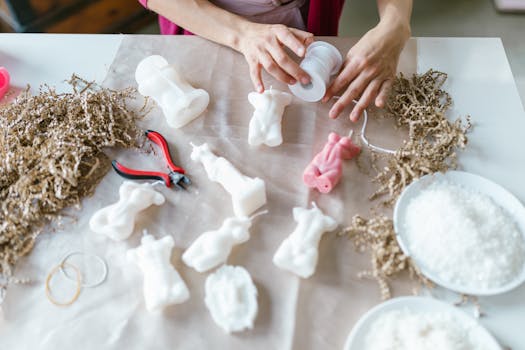 Photo: RDNE Stock project / Pexels
 Photo: cottonbro studio / Pexels
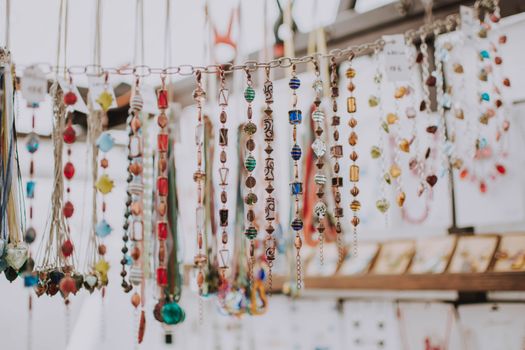 Photo: lil artsy / Pexels
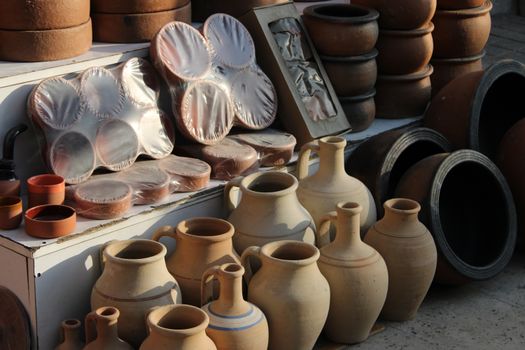 Photo: Gizem toprak / Pexels