✓ Street art originated from graffiti in the 1960s-70s, evolving into diverse forms.
✓ It's often ephemeral, created on public property without official permission.
✓ Street art serves as a powerful tool for social commentary and community engagement.
✓ Major cities globally have embraced street art, leading to designated art districts and festivals.
How It Works
1
Conceptualization
Artists develop a message or aesthetic, often inspired by social issues, personal experiences, or urban environments. This phase involves sketching and planning the artwork.
2
Execution
Using various mediums like spray paint, stencils, wheatpaste, or mosaics, artists apply their work to public surfaces. This can be a quick, clandestine act or a more elaborate, planned installation.
3
Public Interaction
The artwork engages with passersby, sparking dialogue, controversy, or appreciation. Its public placement ensures broad visibility, reaching diverse audiences beyond traditional galleries.
4
Evolution & Ephemerality
Street art often changes, fades, or is removed, reflecting the dynamic nature of urban spaces and the temporary aspect of many pieces. Some works gain protection, while others are painted over, creating a living, evolving canvas.
The Roots and Evolution of Street Art Culture
Photo: Hófel . / Pexels
To truly grasp what is street art culture, one must journey back to its rebellious origins. While the term 'street art' has gained widespread acceptance and even institutional recognition in recent decades, its lineage is deeply intertwined with graffiti art, which emerged as a significant cultural force in the 1960s and 70s, particularly in New York City and Philadelphia. Graffiti writers, often young and disenfranchised, used public walls, subway cars, and bridges as their canvases, primarily to tag their names or crews. This act was, at its core, a declaration of existence, a claim to space, and a form of protest against societal invisibility. It was raw, immediate, and undeniably illegal, laying the groundwork for the confrontational and often subversive spirit that defines much of street art today.
Over time, this initial tagging evolved. Artists began to experiment with more elaborate lettering styles, colors, and eventually, illustrative elements and characters. The transition from pure graffiti to what we now broadly categorize as street art wasn't a sudden shift but a gradual expansion of artistic intent and technique. Artists like Keith Haring and Jean-Michel Basquiat, though they also exhibited in galleries, brought a street-level sensibility and urgency to the mainstream art world, blurring the lines between high art and urban expression. Their work, rooted in the energy of the street, spoke to a generation and demonstrated the powerful communicative potential of art outside traditional institutions. This period was crucial in broadening perceptions of what art could be and where it could exist.
By the 1980s and 90s, new forms of expression began to flourish alongside traditional graffiti. Stenciling, wheatpasting, and sticker art offered alternative, often quicker and less overtly destructive, methods for artists to convey their messages. These techniques allowed for mass production and distribution of images, enabling artists to spread their work more widely and efficiently. The rise of artists like Banksy in the late 20th and early 21st centuries cemented stenciling as a powerful tool for political and social commentary, bringing street art to global attention and forcing a re-evaluation of its artistic merit and cultural significance. This evolution highlights street art’s adaptability and its continuous embrace of new technologies and approaches, always maintaining its core identity as art for the people, in public spaces. Understanding this historical trajectory is fundamental to appreciating the depth and complexity of contemporary art movements and what they represent within urban environments. The constant push and pull between legality and illegality, acceptance and rejection, defines its dynamic nature.
Diverse Forms and Techniques in Urban Art
Photo: Felicity Tai / Pexels
The beauty of what is street art culture lies in its boundless diversity of forms and techniques. Far from being a monolithic entity, street art is a vibrant tapestry woven from a multitude of creative approaches, each offering a unique way for artists to interact with their urban canvas. While graffiti remains a foundational element, the spectrum has broadened considerably, encompassing everything from intricate murals to subtle interventions. Beyond the classic spray paint, artists now employ a vast array of materials and methods, constantly pushing the boundaries of what is considered 'street art.' This innovation is a testament to the artists' ingenuity and their commitment to finding new ways to communicate and transform public spaces.
One of the most recognizable forms is the mural, which can range from small, intricate pieces to monumental, multi-story paintings that completely transform building facades. Murals often involve extensive planning and can be sanctioned, becoming beloved community landmarks that tell stories, celebrate local history, or advocate for social causes. These large-scale works require significant skill and endurance, often involving scaffolding and specialized equipment. In contrast, stenciling offers a quicker, more replicable method. Artists cut designs into materials like cardboard or plastic, then spray paint over them, allowing for precise images and text to be reproduced rapidly. This technique is particularly effective for delivering concise, impactful messages and has been famously used for political commentary and satire. Its efficiency makes it a favorite for artists who work under the cover of night.
Wheatpasting and sticker art represent another accessible and versatile facet of street art. Wheatpaste involves affixing printed posters or images to walls using a simple, homemade adhesive. This allows artists to prepare detailed graphics, photographs, or text in their studios and then quickly install them in public. Sticker art, or 'slaps,' takes this concept even further, with artists creating custom stickers that can be discreetly placed on various surfaces. Both methods are highly effective for rapid dissemination of imagery and ideas, often creating layered visual narratives across urban environments. These forms are often more ephemeral, but their cumulative effect can create a powerful visual presence.
Beyond these more common techniques, street art also embraces less conventional approaches. Yarn bombing, or 'graffiti knitting,' involves wrapping public objects like lampposts or statues in knitted or crocheted fabric, adding a soft, colorful, and often whimsical touch to cold urban infrastructure. Moss graffiti uses living moss to create green, eco-friendly designs that gradually grow and change. Reverse graffiti, or 'clean graffiti,' involves cleaning dirty surfaces to create images, highlighting environmental concerns. These diverse methods underscore street art’s innovative spirit and its ability to continually redefine its boundaries, making it a dynamic and ever-evolving cultural phenomenon that enriches our understanding of urban expression.
Street Art as Social Commentary and Community Engagement
Photo: Jan Kroon / Pexels
At its core, what is street art culture is inextricably linked to its role as a powerful vehicle for social commentary and community engagement. Unlike art confined to galleries, street art is inherently democratic, accessible to everyone regardless of socioeconomic status or artistic background. This public accessibility transforms urban spaces into open-air museums and vibrant platforms for dialogue. Artists frequently use their work to address pressing social issues, critique political systems, highlight environmental concerns, or simply to bring beauty and inspiration to overlooked corners of the city. The immediacy and visibility of street art allow it to bypass traditional media gatekeepers, offering a direct channel for artists to speak to the public and spark conversation.
Many street art pieces serve as visual protests, giving voice to marginalized communities or shedding light on injustices. A mural depicting a community's struggle against gentrification, a stencil criticizing government policy, or a wheatpaste honoring victims of violence – these works are not just aesthetic additions but potent statements. They force viewers to confront uncomfortable truths, encouraging reflection and often mobilizing action. This ability to provoke thought and stimulate public discourse is one of street art’s most significant contributions to urban culture. It transforms passive observers into active participants in a larger societal conversation, making the street a living forum for ideas and emotions.
Beyond critique, street art also plays a vital role in fostering community identity and pride. Sanctioned murals, often created with community input, can transform drab walls into vibrant canvases that reflect local history, celebrate cultural heritage, or depict shared aspirations. These projects can bring residents together, fostering a sense of ownership and collective identity. When communities are involved in the creation process, whether through conceptual input or active participation, the art becomes more than just paint on a wall; it becomes a symbol of unity and a source of shared pride. This collaborative spirit distinguishes many public art initiatives from more solitary artistic endeavors.
Furthermore, street art contributes significantly to the revitalization of urban areas. Districts once considered neglected or unsafe can be transformed into vibrant cultural hubs through the proliferation of street art. This visual transformation attracts tourists, stimulates local economies, and creates a more engaging and inspiring environment for residents. Art festivals dedicated to street art, like Art Basel Miami’s Wynwood Walls or the Bushwick Collective in Brooklyn, have become major attractions, drawing international attention and demonstrating the economic and cultural power of this art form. These initiatives show how street art moves beyond mere decoration to become a catalyst for urban renewal and a testament to the enduring power of art to shape and define communities.
Navigating the Legal and Ethical Landscape of Street Art
Photo: Crab Lens / Pexels
Understanding what is street art culture also requires an honest look at its often-contentious relationship with legality and ethics. Historically, much of street art, especially its progenitor graffiti, has operated outside the bounds of the law. The act of creating art on public or private property without permission is, by definition, vandalism. This inherent tension between artistic expression and property rights is a defining characteristic of street art and contributes to its rebellious allure and, at times, its ephemeral nature. For many artists, the illicit act is part of the statement, a deliberate challenge to authority and conventional notions of ownership and public space. This defiance can be seen as an act of reclaiming urban territory, transforming sterile environments into vibrant expressions of human creativity.
However, as street art has gained mainstream recognition and commercial value, the lines between illegal acts and sanctioned projects have become increasingly blurred. Many cities, initially battling graffiti with strict anti-vandalism laws, have begun to embrace street art as a tool for urban beautification, tourism, and cultural enrichment. This shift has led to the proliferation of sanctioned murals, art districts, and public art programs where artists are commissioned to create work legally. While these opportunities provide artists with resources, larger canvases, and public acceptance, some purists argue that sanctioned street art loses some of its edge and authenticity, becoming commodified and losing its original rebellious spirit. The debate between 'legal' and 'illegal' street art is ongoing within the community, reflecting differing philosophies on the role and purpose of art in public spaces.
Ethical considerations also play a significant role. Even when an artwork is illegal, artists often adhere to an unwritten code of ethics, such as avoiding sacred spaces, historical monuments, or other artists' finished pieces. There's a debate around whether it's ethical to paint over existing street art, especially if it's a revered piece or part of a community narrative. The temporality of street art means that pieces can be painted over, cleaned, or degraded by weather, which is often accepted as part of the medium's nature. Yet, when a significant artwork is removed or altered, it can spark public outcry, highlighting the emotional attachment communities develop to these urban interventions.
Moreover, the rise of 'art tourism' around street art raises questions about gentrification and the potential for commercial exploitation. While street art can revitalize neighborhoods, it can also inadvertently contribute to rising property values and displacement of long-term residents. Navigating this complex landscape requires a nuanced understanding of street art's impact, balancing artistic freedom with community well-being and legal frameworks. The ongoing dialogue around these issues underscores street art’s dynamic and often challenging position at the intersection of art, law, and society, constantly evolving and adapting to the urban fabric it inhabits.
Comparison
Feature
Traditional Graffiti
Sanctioned Murals
Street Art (General)
Legality
Mostly illegal (vandalism)
Legal (commissioned)
Can be illegal or legal
Artist Anonymity
High (tags, crews)
Low (artists often credited)
Variable (from anonymous to famous)
Message Type
Identity, territorial claim
Community, narrative, decorative
Social commentary, aesthetic, political
Medium Focus
Spray paint, markers
Spray paint, acrylics, brushes
Spray paint, stencils, wheatpaste, mosaic
Public Reception
Often negative, seen as defacement
Generally positive, celebrated
Variable, from controversy to appreciation
What Readers Say
★★★★★
"This article truly opened my eyes to what is street art culture beyond just 'graffiti.' I always saw it as vandalism, but now I understand the deep social and political messages behind many pieces. It's a powerful form of expression."
Alex R. · Brooklyn, NY
★★★★★
"As an artist, I appreciate the detailed breakdown of techniques and the history. This piece really captures the spirit of what is street art culture and how it's constantly evolving. It validated a lot of my own observations."
Maria S. · Los Angeles, CA
★★★★★
"The insights on street art's role in community engagement and urban revitalization were spot on. After reading this, I visited a local art district and saw how the art truly transformed the area, creating a vibrant atmosphere I hadn't noticed before."
David L. · Chicago, IL
★★★★★
"While the article was incredibly informative, I wish there was a bit more discussion on the impact of gentrification specifically tied to street art. It touched on it, but it's a complex issue I'd love to see explored deeper within the 'what is street art culture' context."
Chloe T. · Portland, OR
★★★★★
"Living near Wynwood, I thought I knew street art, but this article provided such a comprehensive overview of what is street art culture globally. It made me look at the murals around me with fresh eyes and a deeper appreciation for their historical context."
Ben K. · Miami, FL
Frequently Asked Questions
What is the primary difference between graffiti and street art?
While street art evolved from graffiti, the primary difference often lies in intent and form. Graffiti traditionally focused on stylized lettering (tags) and claiming territory, often anonymously and illegally. Street art encompasses a broader range of artistic styles and mediums (stencils, murals, wheatpaste, sculptures) and often aims for social commentary, aesthetic enhancement, or narrative storytelling, sometimes with permission, sometimes without. Graffiti is a subset of street art, but street art is not exclusively graffiti.
Is all street art illegal?
No, not all street art is illegal. While much of it originated from unsanctioned acts, an increasing amount of street art is created legally through commissions, public art programs, and art festivals. Many cities now embrace street art as a form of urban beautification and cultural attraction, providing legal walls and funding for artists. However, a significant portion still exists in the 'illegal' or 'guerrilla' art space, where artists create without official permission.
How can I find street art in my city?
To find street art in your city, start by researching local art districts or neighborhoods known for their vibrant artistic scenes; many cities have designated areas. Online resources like Google Maps, street art blogs, local tourism websites, and social media (Instagram hashtags like #citystreetart) can also be incredibly helpful. Guided street art tours are also available in many major cities, offering curated experiences and insights into the local scene.
Does street art increase property values or lead to gentrification?
The relationship between street art and property values is complex. While vibrant street art can undeniably attract tourists, revitalize neglected areas, and create a more appealing environment, which can contribute to increased property values and interest from developers, this can sometimes lead to gentrification. As neighborhoods become more desirable due to their artistic appeal, rents and property prices can rise, potentially displacing long-term residents and businesses. It's a nuanced issue with both positive and negative socio-economic impacts.
How does street art differ from traditional gallery art?
Street art fundamentally differs from traditional gallery art in its context, accessibility, and often its purpose. Gallery art is typically confined to controlled, indoor spaces, requiring an intentional visit and often a fee, catering to a specific audience. Street art, by contrast, is in public spaces, accessible to everyone, often free, and interacts directly with the urban environment. Its purpose is often to engage with the public, provoke thought, or beautify, rather than to be acquired or solely appreciated within an institutional setting. It challenges the traditional gatekeepers of the art world.
Who are some famous street artists I should know?
Some of the most famous street artists globally include Banksy, known for his satirical and politically charged stencils; Shepard Fairey, famous for his 'Obey Giant' campaign and iconic Obama 'Hope' poster; Invader, who uses mosaic tiles to create pixelated art inspired by video games; and JR, known for his large-scale photographic installations. Other notable artists include Os Gemeos, Blu, and Vhils, each with unique styles and global recognition for their contributions to street art culture.
What are the risks involved in creating unsanctioned street art?
Creating unsanctioned street art carries several risks. Legally, artists can face charges of vandalism, property damage, or trespassing, leading to fines, community service, or even jail time, depending on the severity and location. There's also the risk of injury, as artists often work in precarious locations or at night. Furthermore, there's the social risk of public backlash or having artwork removed or defaced by authorities or other individuals. Despite these risks, many artists find the thrill and direct communication with the public worth the potential consequences.
What is the future trend for street art culture?
The future of street art culture appears to be one of continued evolution and increasing integration into mainstream art and urban planning. Expect to see more sanctioned public art projects, digital street art (e.g., projection mapping), and augmented reality (AR) experiences that interact with physical artworks. There will likely be an ongoing dialogue around its role in urban regeneration versus gentrification, and artists will continue to push boundaries, utilizing new technologies and materials while maintaining its core spirit of accessibility and social commentary.
Dive deeper into the captivating world of street art. Whether you're an enthusiast, an artist, or simply curious, understanding what is street art culture enriches your appreciation for urban landscapes and the powerful messages they convey. Explore your city's walls and discover the stories they tell.

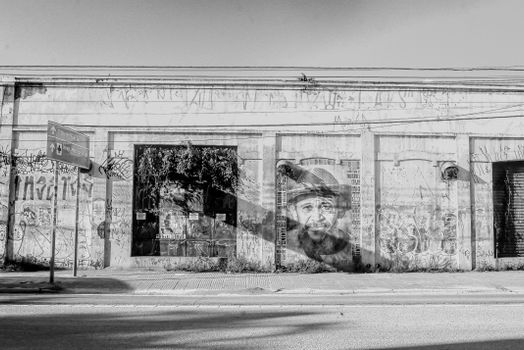 Photo: Hófel . / Pexels
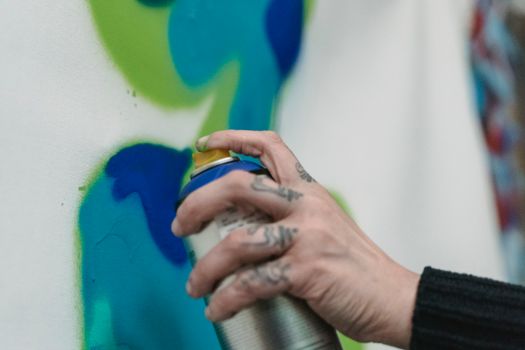 Photo: Felicity Tai / Pexels
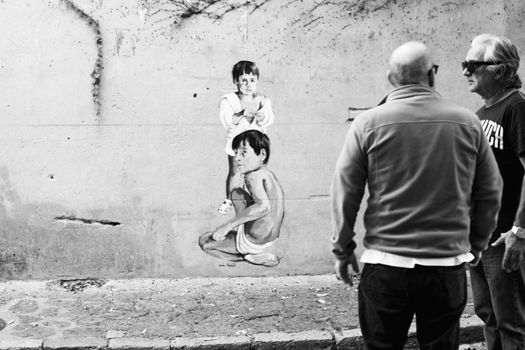 Photo: Jan Kroon / Pexels
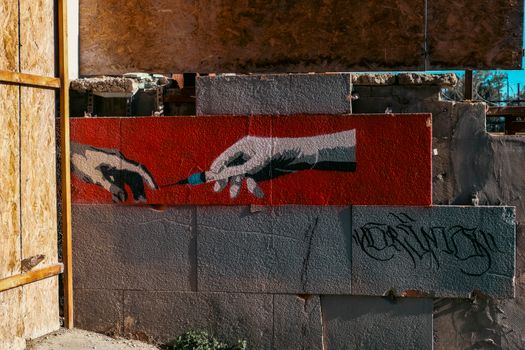 Photo: Crab Lens / Pexels