What is Contemporary Art? A Deep Dive for Beginners
what is contemporary art

What is Contemporary Art? A Deep Dive for Beginners

Explore the vibrant, challenging, and ever-evolving world of contemporary art and discover its profound impact on our culture.

Start Your Journey

Key Takeaways

  • ✓ Contemporary art generally refers to art made from the 1960s or 1970s to the present day.
  • ✓ It often challenges traditional definitions of art, incorporating diverse materials, concepts, and media.
  • ✓ Interaction and viewer participation are frequently central to contemporary art experiences.
  • ✓ Social commentary, identity, globalization, and technology are common themes explored by contemporary artists.

How It Works

1
Define the Timeline

Understand that contemporary art is distinguished by its recent creation, typically post-1960s. This timeframe sets it apart from earlier art movements like modernism.

2
Identify Key Characteristics

Look for art that is diverse in medium, often conceptual, and engages with current societal issues. It frequently breaks from conventional aesthetics and practices.

3
Consider the Context

Recognize that contemporary art is deeply intertwined with the cultural, political, and technological landscape of its time. Its meaning often stems from this context.

4
Engage and Interpret

Approach contemporary art with an open mind, ready to question, interpret, and even participate. The artist's intent and your personal reaction are both valid components of the experience.

Defining Contemporary Art: Beyond the Canvas
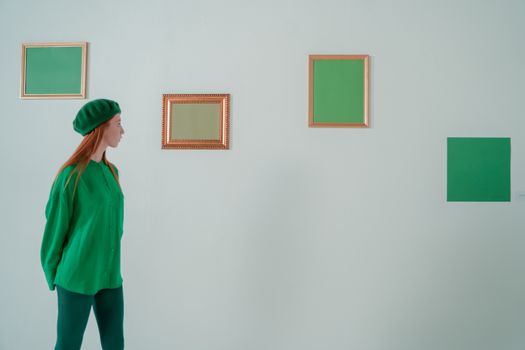
When we ask "what is contemporary art?", we're not just asking about a specific style or medium, but rather about an entire era of artistic expression that continues to unfold. Unlike art movements of the past, which often had defining stylistic characteristics, contemporary art is marked by its incredible diversity, conceptual depth, and often, its challenge to traditional notions of what art should be. Generally, contemporary art refers to art created from the 1960s or 1970s right up to the present moment. This period follows modern art, which itself was a radical departure from academic traditions. However, the distinction between modern and contemporary art can be fluid and is a frequent point of discussion among art historians and enthusiasts alike. One of the most striking features of contemporary art is its embrace of virtually any material, form, or concept. Artists might use traditional paint and canvas, but they are equally likely to employ video, performance, installation, digital media, found objects, or even living organisms. This expansive approach to medium allows artists to explore a vast array of themes, from personal identity and memory to global politics, environmental concerns, and the impact of technology on human experience. The focus often shifts from the aesthetic object itself to the idea behind it, making conceptual understanding a critical component of appreciating many contemporary works. Moreover, contemporary art frequently blurs the lines between art and life. It can be site-specific, existing only in a particular location, or ephemeral, designed to last only for a short time. Public participation and interaction are also common elements, transforming viewers from passive observers into active participants in the artistic process. This engagement often aims to provoke thought, challenge perceptions, or even elicit an emotional response that goes beyond mere aesthetic pleasure. The art world itself, encompassing galleries, museums, biennials, and art fairs, plays a crucial role in shaping and disseminating contemporary art, acting as a dynamic ecosystem where new ideas are presented, debated, and assimilated. Understanding this broader context is essential to grasping the full scope of what contemporary art represents in our current cultural landscape. For those interested in exploring the foundational shifts that paved the way for contemporary art, understanding the evolution of modern art can provide invaluable context. This journey into contemporary art is not about finding easy answers, but about embracing complexity and the ongoing dialogue it fosters.

The Evolution of Contemporary Art: From Pop to Postmodernism

The journey of contemporary art is a fascinating narrative of continuous experimentation and reaction. While its precise starting point is debatable, many trace its roots to the late 1960s, emerging from the shadows of Abstract Expressionism and Pop Art. Pop Art, with its embrace of popular culture imagery and commercial techniques, broke down the barriers between 'high' and 'low' art, paving the way for artists to draw inspiration from everyday life and mass media. This irreverence and willingness to question established norms became a hallmark of the burgeoning contemporary movement. The subsequent rise of Minimalism further pushed the boundaries, stripping art down to its essential forms and materials, often focusing on the viewer's experience of space and object rather than narrative or emotion. The 1970s saw the emergence of Conceptual Art, where the idea or concept behind the artwork was considered more important than the finished object. This radical shift challenged the very definition of art and artists, leading to works that were often text-based, ephemeral, or even invisible. Performance Art also gained prominence, using the artist's body as a primary medium to explore identity, gender, politics, and the human condition. These movements collectively contributed to a climate of artistic freedom where virtually anything could be considered art, as long as it was presented within an art context and provoked thought. Postmodernism, a broader cultural and philosophical movement that gained traction in the late 20th century, profoundly influenced contemporary art. It questioned grand narratives, embraced pluralism, irony, and pastiche, and often deconstructed established hierarchies. Contemporary artists, operating within this postmodern framework, began to critically examine issues of representation, power, and cultural identity. They drew from art history, often reinterpreting or appropriating past styles and images, but always with a contemporary lens. This period also witnessed the increasing globalization of the art world, with artists from diverse cultural backgrounds gaining international recognition, enriching the dialogue with new perspectives and forms of expression. The art market expanded dramatically, with international biennials and art fairs becoming crucial platforms for showcasing new talent and ideas, further cementing the global reach and influence of contemporary art.

Key Characteristics and Themes in Contemporary Art Today

Understanding what is contemporary art requires an appreciation for its defining characteristics and the recurring themes it explores. Foremost among these is diversity. There is no single contemporary art style; instead, it's a vast tapestry of approaches, techniques, and philosophies. This eclecticism means that a painting, a video installation, a sculpture made from recycled materials, and a live performance can all coexist under the contemporary art umbrella. Artists are encouraged to innovate, to break new ground, and to express themselves in ways that resonate with their individual vision and the issues they wish to address. Conceptual depth is another vital characteristic. While visual appeal is often present, many contemporary artworks demand intellectual engagement. The artist's intention, the social or political context, and the viewer's interpretation are often as important, if not more so, than the purely aesthetic qualities of the piece. This can sometimes make contemporary art feel challenging or inaccessible, but it also opens up rich avenues for discussion and personal reflection. Artists often use their work as a platform for social commentary, addressing pressing issues such as climate change, human rights, economic inequality, and technological advancements. They might critique consumerism, explore the complexities of identity in a globalized world, or reflect on historical injustices. Interactivity and experience are also increasingly central. Many contemporary artworks are designed to be engaged with, walked through, or even become part of. This shift emphasizes the viewer's role, transforming them from a passive observer into an active participant. Think of large-scale installations that immerse you in a sensory environment, or performance pieces that require audience input. This experiential quality makes contemporary art often feel very immediate and personal. Furthermore, the boundaries between different art forms continue to dissolve. It's common to see artists incorporating elements of music, dance, theater, and literature into their visual art practices, creating truly multidisciplinary works. This interdisciplinary approach reflects the complex, interconnected nature of our contemporary world, where information and influences flow freely across different domains. To further explore how art reflects societal changes, one might look into the impact of digital media on art, a significant development within contemporary practices.

Navigating and Appreciating Contemporary Art: Tips for Enthusiasts

For many, the world of contemporary art can seem daunting or even perplexing. Its departure from traditional aesthetics and its embrace of diverse forms can sometimes lead to feelings of confusion rather than connection. However, appreciating contemporary art is a skill that can be developed, and with a few key strategies, you can unlock a deeper understanding and enjoyment. **Tips for Understanding and Enjoying Contemporary Art:** * **Embrace the New:** Let go of preconceived notions about what art 'should' be. Contemporary art often thrives on challenging expectations. Approach each piece with an open mind and a willingness to encounter something unfamiliar. * **Read the Labels and Descriptions:** Museum labels, gallery handouts, and artist statements are invaluable. They often provide crucial context about the artist's intent, the materials used, and the themes being explored. Don't be afraid to take your time reading them. * **Ask Questions:** If you're in a gallery or museum, engage with the staff. Don't hesitate to ask questions about the artwork, the artist, or the curator's vision. Art is a dialogue, and asking questions is a great way to start your part in it. * **Consider the Context:** Think about when and where the art was made. What social, political, or technological events might have influenced the artist? Understanding the broader cultural landscape can illuminate the artwork's meaning. * **Trust Your Instincts (and Challenge Them):** While intellectual understanding is important, don't discount your initial emotional or visceral reaction. What does the art make you feel? Why? Then, try to connect those feelings to the intellectual context. * **Explore Different Venues:** Visit a variety of contemporary art spaces, from major museums to smaller, independent galleries and artist-run spaces. Each offers a unique perspective and selection of works. * **Follow Artists and Art News:** Stay informed about contemporary artists, exhibitions, and trends. Online resources, art magazines, and social media can help you discover new works and deepen your knowledge. * **Discuss with Others:** Engage in conversations about art with friends, family, or fellow enthusiasts. Hearing different perspectives can broaden your own understanding and appreciation. **Common Mistakes to Avoid:** * **Expecting Immediate Understanding:** Contemporary art rarely provides instant gratification. It often requires reflection, research, and a willingness to grapple with complex ideas. * **Dismissing it as 'Not Art':** While challenging, contemporary art is a valid and vital form of expression. A blanket dismissal closes you off to potentially profound experiences. * **Focusing Only on Craftsmanship:** While skill is often present, the primary value in much contemporary art lies in its conceptual depth and its ability to provoke thought, not just its technical execution. * **Searching for a Single, Universal Meaning:** Many contemporary artworks are open to multiple interpretations. There isn't always one 'right' answer, and your personal experience is a valid part of the artwork's meaning. Instead, engage with the work on your own terms and allow it to spark your curiosity and imagination.

Comparison

FeatureContemporary ArtModern ArtTraditional Art
Time Period1960s/70s - Present1860s - 1970sPre-19th Century
Key FocusConcept, Experience, Social IssuesExperimentation, Breaking TraditionRepresentation, Skill, Narrative
Typical MediaMixed media, Video, Performance, Installation, DigitalPainting, Sculpture, PhotographyPainting, Sculpture, Drawing
Viewer's RoleParticipant, Interpreter, EngagerObserver, Appreciator of FormObserver, Receiver of Narrative
AestheticDiverse, Challenging, ConceptualVaried styles (Cubism, Surrealism, etc.)Realistic, Idealized, Formal

What Readers Say

"This guide completely demystified what is contemporary art for me. I used to feel intimidated in galleries, but now I understand the context and can engage with the pieces on a much deeper level. Truly helpful!"

Sarah J. · Brooklyn, NY

"The distinction between modern and contemporary art was always fuzzy for me. This article clarified it perfectly and gave me new ways to approach art I previously found confusing. Highly recommend it for any art enthusiast."

Mark T. · Los Angeles, CA

"As an art history professor, I appreciate the depth and clarity of this explanation. It breaks down complex ideas into accessible language, making contemporary art understandable without oversimplifying its nuances. My students will benefit greatly."

Dr. Emily R. · Chicago, IL

"While I still find some contemporary art challenging, this article provided excellent tools for interpretation. The tips on 'asking questions' and 'considering context' have significantly enhanced my gallery visits. It's a great starting point."

David L. · Seattle, WA

"I'm an artist myself, and this piece resonated deeply. It articulates the freedom and boundary-pushing spirit that drives contemporary creation. It's a fantastic resource for both creators and connoisseurs."

Jessica M. · Austin, TX

Frequently Asked Questions

What is the primary difference between modern art and contemporary art?

The main distinction lies in their timelines and prevailing philosophies. Modern art typically refers to art from the 1860s to the 1970s, characterized by a break from tradition and experimentation with form. Contemporary art, from the 1960s/70s to the present, is even more diverse, often conceptual, and heavily engages with current social, political, and technological issues, frequently blurring the lines between art forms.

Why does contemporary art sometimes seem difficult to understand?

Contemporary art can be challenging because it often prioritizes concept over aesthetics, uses unconventional materials, and demands intellectual engagement rather than just visual appreciation. It frequently critiques society, challenges norms, or requires context to fully grasp the artist's intent, moving beyond simple representation to explore complex ideas.

How can I start appreciating contemporary art if I'm a beginner?

Begin by visiting local galleries and museums with an open mind. Read all available labels and artist statements, as they provide crucial context. Don't be afraid to ask questions, research artists, and discuss works with others. Focus on what the art makes you feel and think, rather than solely on its visual beauty or traditional artistic skill.

Is contemporary art expensive, and is it a good investment?

The cost of contemporary art varies widely, from affordable pieces by emerging artists to multi-million dollar works by established figures. As an investment, it can be highly speculative and is influenced by market trends, critical acclaim, and historical significance. While some works appreciate significantly, it's generally advisable to collect art based on personal passion and aesthetic appreciation rather than purely for financial gain.

How does contemporary art compare to street art or graffiti?

While street art and graffiti are often contemporary in their creation time, they are distinct movements. Street art, especially, has increasingly been integrated into the mainstream art world and museums, blurring lines. However, contemporary art is a broader category encompassing all forms of art from a specific period, whereas street art and graffiti refer to specific practices, often outside traditional gallery spaces, though many contemporary artists may draw inspiration from or work within these forms.

Who is contemporary art for?

Contemporary art is for everyone who is curious, open-minded, and willing to engage with new ideas and perspectives. It's for those who enjoy critical thinking, appreciate diverse forms of expression, and are interested in how art reflects and shapes our current world. It's not exclusive to art experts but rather invites all to participate in a cultural dialogue.

Are there any risks in interpreting contemporary art 'incorrectly'?

There's no single 'correct' interpretation for much of contemporary art, as it often invites multiple readings and personal responses. The 'risk' isn't in interpreting it incorrectly, but in not engaging with it at all, or dismissing it without attempting to understand its context or the artist's intent. Embrace your own thoughts and feelings while also seeking out information to deepen your understanding.

What are the future trends expected in contemporary art?

Future trends in contemporary art are likely to continue exploring the impact of technology, such as AI, virtual reality, and blockchain, on creation and consumption. We can expect increased focus on climate change, social justice, and identity politics. Globalization will further diversify artistic voices, and interdisciplinary approaches, blurring boundaries between art, science, and activism, are also likely to expand.

Embark on your journey into the compelling world of what is contemporary art. With an open mind and this guide, you're ready to explore, question, and connect with the art that defines our present and shapes our future.

Topics: what is contemporary artcontemporary art definitionmodern art vs contemporary artcharacteristics of contemporary artunderstanding contemporary art
Leo List
Brampton weed
Adultwork EstrelaBet Vai de Bet R7 Bet Betão Galera Bet Rainbet Bet9ja Shop SportyBet BetKing Sisal Loto Foot Hollywoodbets YesPlay Odibets RushBet Jugabet BetWarrior BetCity MSport betPawa Fortebet