✓ Limited edition prints offer exclusivity and potential appreciation, unlike open editions.
✓ Authentication (signature, numbering, Certificate of Authenticity) is crucial for value.
✓ Researching artists and galleries is key to making informed purchases.
✓ Condition and provenance significantly impact an art print's long-term value.
How It Works
1
Define Your Interest & Budget
Before diving in, understand what art styles or artists resonate with you and set a realistic budget. This narrows your search and prevents impulse buys.
2
Research & Verify Authenticity
Investigate potential artists, their market presence, and the print's edition details. Always confirm the print is signed, numbered, and comes with a Certificate of Authenticity (COA).
3
Choose Reputable Sources
Purchase from established galleries, trusted online platforms, or direct from the artist. Avoid unverified sellers to minimize risk and ensure legitimate acquisition.
4
Inspect & Document Your Purchase
Upon receipt, carefully inspect the print for condition and verify all details against the COA. Keep meticulous records of your purchase, including receipts and images.
Understanding the Allure of Limited Edition Fine Art Prints
Photo: Thoranin Duangsin / Pexels
The world of art collecting can seem daunting, but limited edition fine art prints offer an accessible and incredibly rewarding entry point for both seasoned collectors and newcomers alike. Unlike original paintings or sculptures, which are unique, or open edition prints, which can be reproduced indefinitely, limited edition prints are produced in a finite, predetermined number. This scarcity is precisely what imbues them with their distinct value and appeal. Each print in the edition is typically signed and numbered by the artist, such as '1/50' indicating the first print out of an edition of fifty. This numbering confirms its authenticity and place within the limited run. The artist's signature further verifies that the print has been approved and often personally inspected by them.
What makes these prints so compelling? Firstly, exclusivity. Owning a piece from a limited edition means you possess something rare, part of a small, select group of individuals who own that specific artwork. This sense of uniqueness can be incredibly satisfying. Secondly, potential for appreciation. While not every print will skyrocket in value, the finite nature of a limited edition means that as the artist's reputation grows, or as the edition sells out, the value of existing prints can increase. This makes them not just beautiful decorative pieces but also potential investments. Thirdly, accessibility. Limited edition prints often allow collectors to own work by highly sought-after artists at a fraction of the cost of their original works. This democratizes art ownership, making it possible for a wider audience to invest in art and support artists they admire. Finally, the quality. Artists and reputable printmakers dedicate significant effort to ensure limited edition prints are produced using archival-quality materials and techniques, such as giclée, silkscreen, or lithography, ensuring their longevity and fidelity to the artist's original vision. Understanding these foundational aspects is the first step in appreciating why so many choose to buy limited edition art prints.
Navigating the Market: Where to Buy Limited Edition Art Prints
Photo: Thirdman / Pexels
Once you've decided to buy limited edition art prints, the next crucial step is identifying reliable and reputable sources. The art market, especially for prints, is diverse, offering various avenues for acquisition, each with its own advantages.
**Traditional Art Galleries:** These remain a cornerstone for acquiring authentic limited edition prints. Established galleries often represent specific artists or specialize in particular genres, offering a curated selection. They provide expert advice, handle authentication, and often have direct relationships with artists. Purchasing from a gallery typically ensures a high level of trust and service, including framing options and secure shipping. They can also offer valuable insights into an artist's career trajectory and market standing.
**Online Art Marketplaces and Platforms:** The digital age has revolutionized art buying, making it possible to browse and purchase prints from anywhere in the world. Websites like Artsy, Artnet, Saatchi Art, and even platforms dedicated specifically to prints (e.g., The Jealous Curator, Counter Editions) offer extensive catalogs. When using online platforms, it's vital to research the seller's reputation, read reviews, and verify their return policies. Look for platforms that offer detailed provenance information and guarantee authenticity. Many online galleries now also provide virtual viewing rooms, allowing you to visualize how a print might look in a real-world setting.
**Direct from the Artist:** Many artists sell limited edition prints directly from their own websites or studios. This can be a wonderful way to connect with the artist, learn more about their process, and sometimes acquire prints at a more favorable price, as there's no gallery commission. However, this route requires you to be more proactive in your research and verification process, ensuring the artist is indeed established and that all necessary documentation (like a Certificate of Authenticity) is provided.
**Auction Houses:** For more experienced collectors or those seeking rare or vintage prints, auction houses like Sotheby's, Christie's, or smaller regional houses can be excellent sources. Auctions offer the thrill of competitive bidding and the chance to acquire works that might not be available elsewhere. However, it's crucial to understand the bidding process, buyer's premiums, and to thoroughly inspect condition reports and provenance before participating. Always set a maximum bid to avoid overspending.
**Art Fairs:** Attending art fairs, such as Art Basel, Frieze, or local art festivals, provides an immersive experience. You can see a vast array of prints from different galleries and artists, speak directly with gallerists, and discover new talent. Fairs are excellent for gauging current trends and making immediate purchases. Regardless of the source, always prioritize authenticity, clear provenance, and secure transactions when you buy limited edition art prints.
Authentication, Provenance, and Condition: The Pillars of Value
Photo: Mathias Reding / Pexels
When you decide to buy limited edition art prints, understanding the critical roles of authentication, provenance, and condition is paramount. These three factors collectively determine a print's legitimacy, historical context, and ultimately, its market value and potential for appreciation. Overlooking any of these can lead to a disappointing purchase or a significant financial loss.
**Authentication** is the bedrock of any valuable art acquisition. For limited edition prints, authentication typically involves several key elements. Firstly, the artist's signature: a hand-signed signature by the artist on the print itself is a primary indicator of authenticity. Secondly, the edition number: usually written as a fraction (e.g., 5/100), this confirms its place within the limited run. Thirdly, a Certificate of Authenticity (COA): this document, issued by the artist, publisher, or gallery, provides detailed information about the artwork, including its title, artist, medium, dimensions, edition size, and often the date of creation. A COA acts as a formal guarantee and is essential for future sales or appraisals. Without proper authentication, a print's value is severely diminished, as its origin and legitimacy cannot be definitively proven. Always insist on a COA when purchasing a limited edition print, and verify the issuer's credibility. This due diligence is crucial to protect your art investment.
**Provenance** refers to the history of ownership of an artwork. A strong provenance provides a clear, unbroken chain of ownership from the artist to the current seller. It acts as a historical fingerprint, demonstrating that the artwork has not been stolen, illegally exported, or tampered with. Provenance adds immense value and credibility to a print. Reputable galleries and auction houses will always provide provenance information, often detailing previous owners or exhibition history. For example, knowing that a print was once part of a famous collection or exhibited in a prestigious museum significantly enhances its desirability and value. When acquiring a print, ask for any available provenance documentation, such as past sales receipts or exhibition catalogs.
**Condition** is another critical determinant of value. Even an authenticated print with impeccable provenance can lose significant value if it is not in excellent condition. Prints are susceptible to damage from light exposure (fading), humidity (foxing, mold), improper handling (creases, tears), and acidic framing materials (mat burn). When evaluating a print, carefully inspect it for any signs of damage: discoloration, ripples, tears, repairs, or pest damage. Ideally, a print should be in pristine or near-pristine condition. If purchasing online, request detailed, high-resolution photographs and a comprehensive condition report. For in-person purchases, view the print under good lighting and, if possible, consult with a professional conservator. Understanding and prioritizing these three pillars—authentication, provenance, and condition—will empower you to make informed, secure, and valuable acquisitions when you buy limited edition art prints.
Essential Tips for Collecting Limited Edition Prints & Avoiding Common Mistakes
Photo: Medhat Ayad / Pexels
Embarking on the journey to collect limited edition art prints is exciting, but a strategic approach can maximize your enjoyment and protect your investment. Here are some essential tips and common pitfalls to avoid:
**Tips for Smart Collecting:**
* **Research the Artist Thoroughly:** Beyond just liking their work, delve into the artist's career, exhibition history, critical reception, and market performance. A rising artist's prints have greater potential for appreciation.
* **Understand Printmaking Techniques:** Familiarize yourself with different methods like lithography, etching, silkscreen, giclée. Each has unique characteristics and can influence a print's aesthetic and value. Knowing the technique helps you appreciate the craftsmanship.
* **Prioritize Archival Framing:** Once you've acquired a print, invest in museum-quality, archival framing. This protects the artwork from environmental damage, UV light, and acidic materials, preserving its condition and value for decades. Use UV-protective glass/acrylic and acid-free mats and backing.
* **Document Everything:** Keep meticulous records of your purchases, including receipts, COAs, condition reports, and any provenance information. Photograph the print when you receive it. This documentation is invaluable for insurance, appraisal, or future resale.
* **Insure Your Collection:** As your collection grows, consider getting a specialized art insurance policy. Standard homeowner's insurance often has limitations on art coverage.
* **Trust Your Taste:** While investment potential is a factor, ultimately, you should buy prints that you genuinely love and that resonate with you. Art is meant to be enjoyed.
**Common Mistakes to Avoid:**
* **Impulse Buying:** Don't rush into a purchase. Take time to research the artist, the specific print, and the seller. A limited edition is not a fleeting trend.
* **Ignoring Condition Reports:** Especially for online purchases, relying solely on images can be misleading. Always request and carefully review a detailed condition report. Minor flaws can significantly impact value.
* **Neglecting Provenance:** If a print lacks clear provenance, be cautious. Unknown origins can signal authenticity issues or a potentially stolen artwork.
* **Underestimating Framing Costs:** Factor in the cost of professional, archival framing. Skimping here can lead to irreversible damage to your print.
* **Confusing 'Limited Edition' with 'Open Edition':** Ensure the print is truly part of a limited, numbered series, not an unlimited reproduction. Open editions rarely appreciate in value.
* **Buying from Unverified Sources:** Stick to reputable galleries, established online platforms, or direct from known artists. Avoid anonymous sellers or deals that seem too good to be true.
* **Improper Storage:** If not framed immediately, store prints flat in acid-free archival boxes, away from direct sunlight, extreme temperatures, and humidity.
Comparison
Feature
Limited Edition Prints
Original Paintings
Open Edition Prints
Posters
Exclusivity
✓ (Finite number)
✓ (Unique)
✗ (Unlimited)
✗ (Mass-produced)
Investment Potential
Moderate to High
High
Low
Negligible
Authentication
Signed & Numbered, COA
Artist's Signature, Provenance
Rarely Authenticated
None
Price Range
Accessible to Mid-Range
High to Very High
Low
Very Low
Artist Involvement
Direct approval, often hand-finished
Full creation
Minimal/Indirect
None
Archival Quality
High (typically)
High
Variable (often low)
Low
What Readers Say
★★★★★
"I was hesitant to buy limited edition art prints online, but this guide gave me the confidence. I found a stunning piece by a local artist, verified all the details, and it arrived perfectly. It truly transformed my living room!"
Sarah J. · Austin, TX
★★★★★
"As a first-time collector, I found the advice on authentication and provenance incredibly helpful. I now feel much more informed when browsing galleries, and I just made my first significant purchase – a signed print I adore."
Michael R. · New York, NY
★★★★★
"Following the tips on archival framing saved me from a costly mistake. My limited edition print looks incredible and I have peace of mind knowing it's properly protected for years to come. Excellent, practical advice."
Emily D. · Seattle, WA
★★★★★
"The article was very comprehensive, especially the comparison table. While it covered a lot, I would have liked a bit more on specific printmaking techniques. Still, it significantly boosted my understanding of how to buy limited edition art prints."
David L. · Chicago, IL
★★★★★
"I've been collecting for years, but this article provided a great refresher on market trends and avoiding common pitfalls. It reinforced my best practices and even introduced me to a new online platform to explore. Highly recommend for any art enthusiast."
Jessica M. · Miami, FL
Frequently Asked Questions
What specifically makes an art print 'limited edition' and why does it matter?
A limited edition art print is part of a predetermined, finite number of identical prints, authorized and often signed and numbered by the artist. This scarcity creates exclusivity and can drive up its value over time, distinguishing it from open edition prints that can be reproduced indefinitely. It matters because it impacts the print's rarity, potential for appreciation, and overall collectible status.
How can I be sure a limited edition print I'm buying online is authentic?
To ensure authenticity when buying online, always purchase from reputable galleries, established online art marketplaces with strong buyer protection policies, or directly from the artist's official website. Look for clear indications of artist's signature, edition number, and insist on a Certificate of Authenticity (COA) from the seller. Research the seller's reputation and read reviews.
What should I do immediately after I buy a limited edition art print?
Upon receiving your limited edition art print, carefully inspect it for any damage and confirm all details match the COA and purchase records. Then, store it properly in an acid-free environment, either framed with archival materials and UV-protective glass, or flat in an archival portfolio or box away from direct light, humidity, and temperature fluctuations to preserve its condition.
Are limited edition art prints a good investment, or purely for aesthetic enjoyment?
Limited edition art prints can be both a good investment and a source of aesthetic enjoyment. While not all prints will significantly appreciate, those by established or emerging artists with growing reputations often do. The finite nature of the edition contributes to its potential value. However, the primary motivation for buying should always be your genuine appreciation for the artwork, with investment potential as a secondary benefit.
How do limited edition prints compare to original paintings in terms of value and collectibility?
Original paintings are unique, one-of-a-kind creations and generally command higher prices and investment potential due to their singularity and direct connection to the artist's hand. Limited edition prints, while multiples, offer accessibility to an artist's work at a lower price point, maintaining collectibility due to their scarcity and artist approval. They serve as an excellent entry point for collectors who appreciate fine art but may not have the budget for originals.
Who typically benefits most from collecting limited edition art prints?
Both new and experienced art collectors benefit significantly. New collectors find them an accessible and educational entry into the art market, allowing them to own high-quality works by renowned artists without the steep price tag of originals. Experienced collectors use them to diversify their portfolios, support contemporary artists, or acquire works from artists whose original pieces are out of reach, adding unique and valuable pieces to their collection.
What are the biggest risks when trying to buy limited edition art prints?
The biggest risks include purchasing counterfeit or unauthorized prints, acquiring prints with undisclosed damage or poor condition that significantly impacts value, and buying from unreliable sources without proper authentication or provenance. Lack of proper archival care after purchase can also lead to irreversible damage, diminishing the print's long-term value and aesthetic appeal.
What future trends might impact the market for limited edition art prints?
Future trends include the increasing integration of digital technologies, such as NFTs, which may offer new forms of authenticated digital limited editions, and the continued growth of online art platforms making prints more globally accessible. Sustainability in printmaking practices and a focus on diverse, emerging artists are also likely to shape the market, expanding the range of available works and collector bases.
Ready to enrich your home and collection? Take the knowledge from this guide and confidently embark on your journey to buy limited edition art prints. Discover pieces that resonate with your soul and potentially grow in value, adding beauty and sophistication to your life.
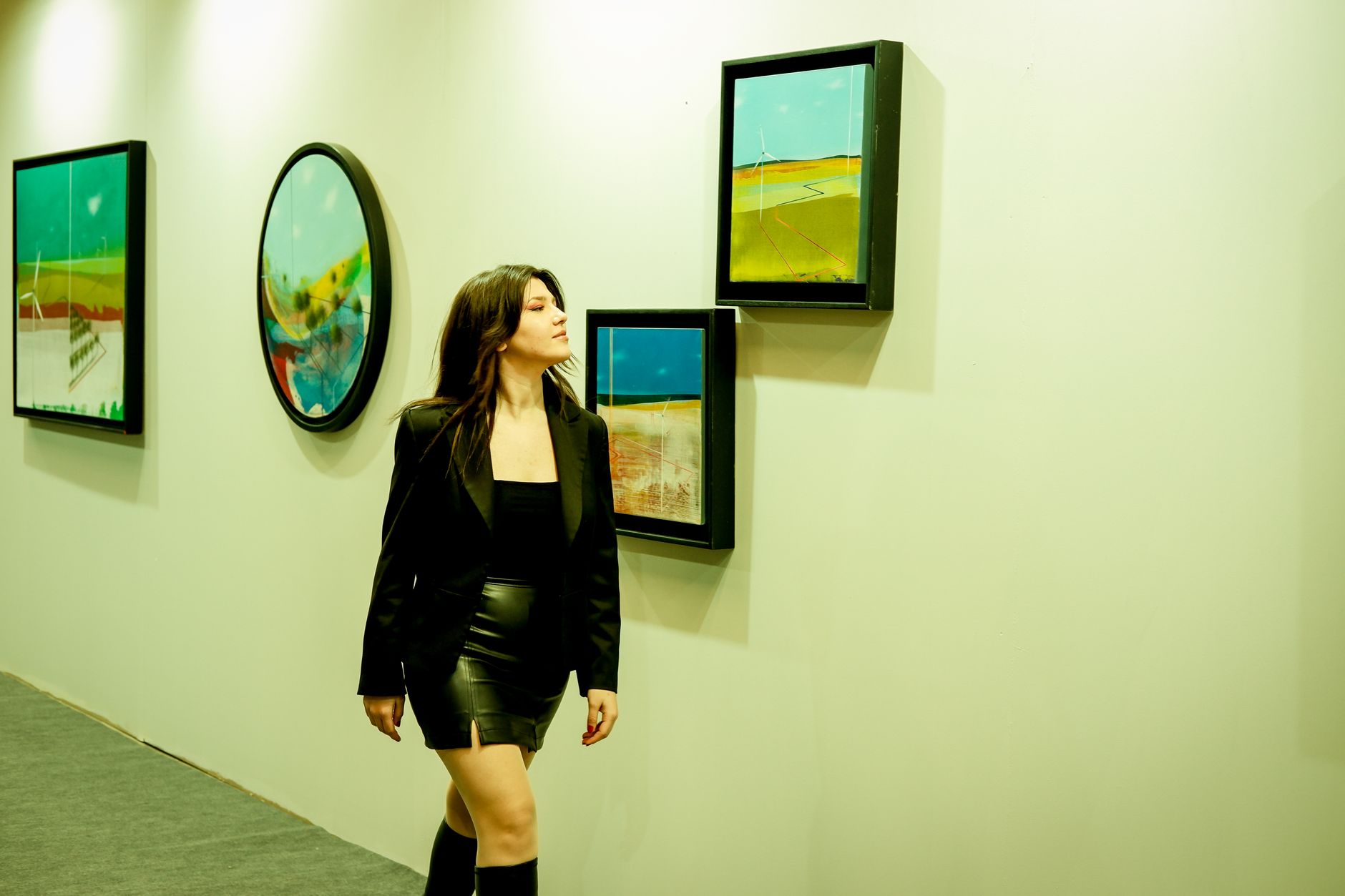
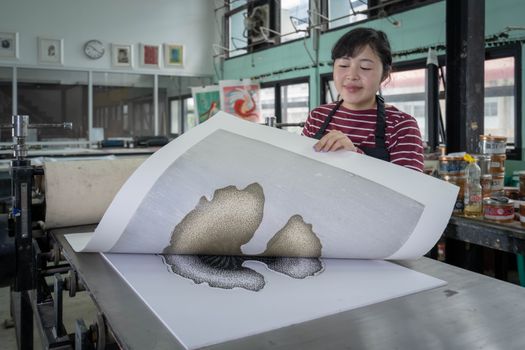 Photo: Thoranin Duangsin / Pexels
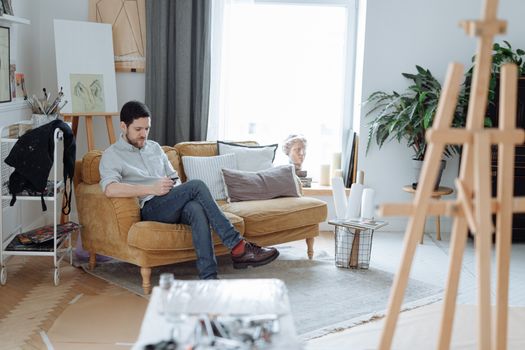 Photo: Thirdman / Pexels
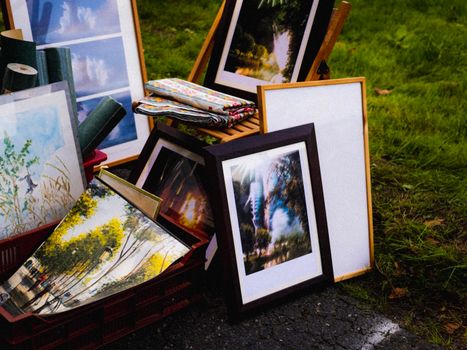 Photo: Mathias Reding / Pexels
 Photo: Medhat Ayad / Pexels