Essential Art Supplies for Oil Painting Mastery
art supplies for oil painting

Essential Art Supplies for Oil Painting Mastery

Unlock your artistic potential with the right tools and materials for captivating oil paintings.

Start Your Masterpiece

Key Takeaways

  • ✓ Oil paint is made from pigment suspended in a drying oil, typically linseed oil.
  • ✓ Brushes for oil painting come in various shapes and fibers, each suited for different effects.
  • ✓ Oil painting requires specific solvents and mediums for thinning and altering paint properties.
  • ✓ Surfaces like canvas, wood panels, and paper must be properly primed for oil paint adhesion.

How It Works

1
Gather Your Core Materials

Begin by acquiring a foundational set of oil paints, brushes, and a suitable painting surface. These are the absolute necessities to start your journey.

2
Prepare Your Workspace

Set up a well-ventilated area with an easel, palette, and cleaning supplies. Proper preparation ensures a smooth and safe painting experience.

3
Understand Paint Properties

Familiarize yourself with how different oils, mediums, and solvents affect your paint's consistency and drying time. This knowledge is crucial for controlling your artistic vision.

4
Practice and Experiment

Don't be afraid to experiment with different techniques, brushstrokes, and color mixing. Continuous practice is key to developing your unique style and mastery.

The Foundation: Understanding Oil Paints and Pigments
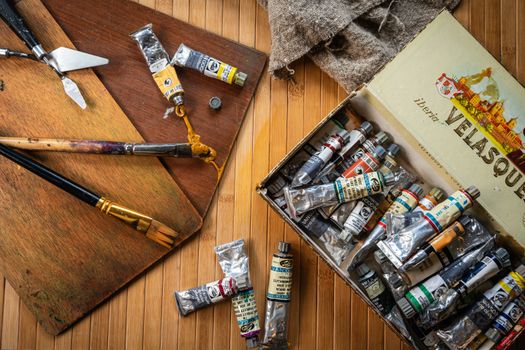
Artistic setup featuring various paint tubes, brushes, and tools on a wooden surface. Photo: Ylanite Koppens / Pexels
Embarking on the journey of oil painting begins with a profound understanding of the very essence of the medium: the oil paints themselves. Unlike acrylics or watercolors, oil paints are renowned for their rich, vibrant colors, slow drying time, and exceptional blending capabilities, which allow for seamless transitions and deep luminosity. At their core, oil paints consist of finely ground pigment suspended in a drying oil, most commonly linseed oil. However, other oils like poppy seed, walnut, and safflower oil are also used, each imparting slightly different characteristics to the paint, such as drying time, flexibility, and tendency to yellow over time. Linseed oil, for instance, dries relatively quickly and forms a strong, durable film, but can yellow slightly with age, especially in thicker applications. Poppy seed oil, on the other hand, yellows less but dries much slower and creates a more brittle film. Understanding these nuances is crucial for selecting the right paints for your artistic vision. When choosing your initial set of oil paints, quality is paramount. While budget constraints are often a factor, investing in artist-grade paints, even a limited palette, will yield far superior results than student-grade alternatives. Artist-grade paints contain a higher concentration of pure pigment, resulting in more intense colors, better lightfastness (resistance to fading over time), and a smoother, more consistent texture. Student-grade paints, while more affordable, often use fillers and less expensive pigments, leading to duller colors and a chalkier consistency. A basic palette might include primary colors (Cadmium Red Light, Ultramarine Blue, Cadmium Yellow Medium), earth tones (Burnt Sienna, Raw Umber, Yellow Ochre), and essential neutrals (Titanium White, Ivory Black). This limited palette forces you to learn color mixing thoroughly, a fundamental skill in oil painting. As you advance, you can expand your palette to include more specialized colors, but mastering a limited set first is highly recommended. The slow drying time of oil paints is both a blessing and a challenge. It allows for extended working sessions, enabling artists to blend colors directly on the canvas and create subtle gradations that are difficult to achieve with faster-drying mediums. However, it also means that paintings can take days, weeks, or even months to fully cure, requiring patience and proper storage during the drying process. Understanding the properties of different pigments—their opacity, transparency, and tinting strength—will profoundly impact your ability to control your palette and achieve desired effects. For more on color theory, check out this guide to color mixing for artists.

Brushes, Palettes, and Easels: Your Essential Studio Companions
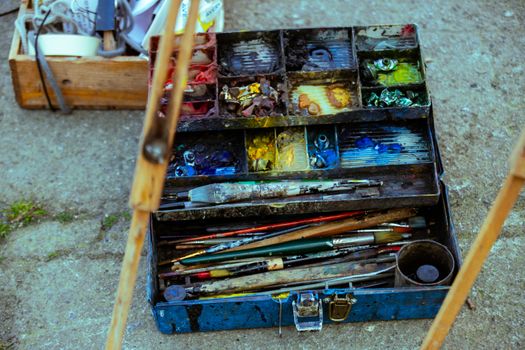
Close-up of a well-used artist's paint box with brushes and mixed colors, outdoors in Dublin. Photo: atelierbyvineeth . . . / Pexels
Beyond the paint itself, the tools you use to apply and manage it are equally vital in defining your oil painting experience. Brushes are perhaps the most personal of these tools, acting as an extension of the artist's hand. Oil painting brushes are typically categorized by their shape and the material of their bristles. Common shapes include flats (for broad strokes and sharp edges), rounds (for details and lines), filberts (a versatile blend of flat and round), and brights (short, flat brushes for impasto). Bristle materials usually fall into two main categories: natural hair and synthetic. Natural hair brushes, primarily hog bristles, are stiff and resilient, making them ideal for moving thick oil paint, creating textured impasto effects, and maintaining sharp edges. They hold a good amount of paint and are excellent for expressive brushwork. Synthetic brushes, often made from nylon or polyester, are softer and more flexible, making them suitable for smoother applications, blending, and fine details. They are also easier to clean and tend to last longer than natural hair brushes when properly cared for. A good starting set will include a variety of shapes and sizes in both natural and synthetic, allowing you to explore different marks and techniques. Investing in quality brushes will make a significant difference in your painting control and enjoyment. Your palette is where the magic of color mixing truly happens. Palettes come in various forms, from traditional wooden palettes to glass, plastic, or disposable paper palettes. Wooden palettes are classic and beautiful, but require conditioning with oil to prevent the wood from absorbing paint. Glass palettes are favored by many for their smooth, non-absorbent surface, making color mixing easy and cleanup a breeze. Disposable paper palettes are convenient for easy cleanup, especially when working with a limited color range or in a temporary setup. The choice often comes down to personal preference and workflow. Regardless of the material, a good palette should be large enough to hold a substantial amount of paint and allow ample space for mixing. Your easel is the backbone of your studio setup, holding your canvas at a comfortable working height and angle. There are several types of easels: studio easels (H-frame or A-frame) are sturdy and ideal for larger works; French easels are portable and combine an easel, palette, and storage box, perfect for plein air painting; and tabletop easels are compact for smaller canvases or limited spaces. Consider the size of your typical artwork, your workspace, and your mobility needs when selecting an easel. A stable easel is crucial for preventing wobbling and ensuring consistent brushwork. Don't underestimate the impact of a comfortable and ergonomic setup on your artistic endurance and the quality of your work. These tools, while seemingly secondary to the paint, are integral to a fulfilling oil painting practice. For more on studio setup, explore optimizing your artist workspace.

Mediums, Solvents, and Surfaces: Enhancing Your Oil Painting Technique
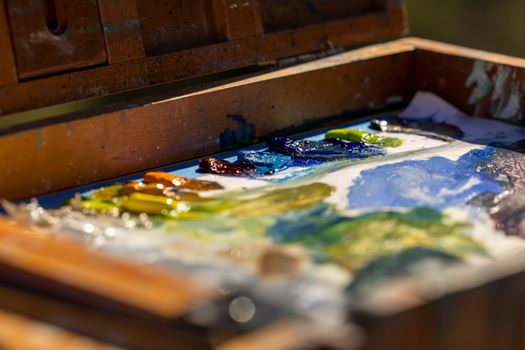
A vibrant artist's paint palette with various colors in an outdoor setting. Photo: Stephen Leonardi / Pexels
Mastering oil painting extends beyond just paint and brushes; it delves into the strategic use of mediums and solvents, and the careful selection of painting surfaces. Mediums are substances added to oil paint to alter its properties – affecting its consistency, transparency, drying time, and finish. Linseed oil, for instance, can be added to thin paint, increase its flow, and enhance its gloss, though too much can lead to yellowing. Refined linseed oil is a common choice for general use. Poppy seed oil, as mentioned, slows drying and yellows less, making it suitable for whites and blues. Stand oil, a thickened linseed oil, increases paint's elasticity, levels brushstrokes, and creates a smooth, enamel-like finish, ideal for glazing. Alkyd mediums, like Liquin, are popular for significantly accelerating drying time and improving paint flow and transparency, allowing for faster layering and impasto techniques. Traditional mediums often combine oils with natural resins like dammar or copal, creating varnishes that add depth, luminosity, and protection. Experimenting with different mediums is key to discovering how they can enhance your specific painting style and achieve desired visual effects. Always add mediums sparingly, as too much can compromise the paint film's integrity. Solvents play a crucial role in oil painting, primarily for thinning paint and, more importantly, for cleaning brushes. Traditional solvents include turpentine and mineral spirits (odorless mineral spirits are a popular, less toxic alternative). Turpentine, derived from pine trees, has a strong odor but is an excellent solvent for oil paint, dissolving it effectively. Odorless mineral spirits (OMS) are petroleum-derived, less aromatic, and generally safer to use in enclosed spaces. They thin paint well and are effective for cleaning brushes. However, it's vital to work in a well-ventilated area regardless of the solvent used, as prolonged exposure to fumes can be harmful. Never use household solvents, as they can damage your paint and brushes. For cleaning, keep two containers of solvent: one for initial cleaning to remove most of the paint, and a second for a more thorough rinse. After solvent cleaning, wash brushes with soap and water to remove any remaining pigment and solvent, ensuring their longevity. Proper brush care is essential for maintaining your investment. Finally, the surface you paint on significantly influences the outcome of your work. The most common surfaces are stretched canvas, canvas panels, and wood panels. Stretched canvas offers flexibility and a traditional feel, available in cotton or linen. Linen is generally preferred for its strength, smooth weave, and archival quality. Canvas panels are rigid and more economical, ideal for studies or beginners. Wood panels, such as birch or MDF, offer an extremely rigid and smooth surface, excellent for detailed work or when a completely flat plane is desired. Regardless of the surface, proper priming is non-negotiable. Gesso, a primer, creates a stable, non-absorbent barrier between the oil paint and the support, preventing the oil from deteriorating the fabric or wood over time and providing an ideal surface for paint adhesion. Gesso also offers a white ground that makes colors appear brighter. You can buy pre-primed canvases, or prime your own, which gives you control over the texture and number of gesso layers. Consider the texture (smooth vs. rough) and rigidity of your surface, as these choices will profoundly impact your brushwork and the final appearance of your oil painting. Every component in your setup, from the choice of oil to the prepared canvas, contributes to the overall success and longevity of your masterpiece.

Advanced Tips and Common Mistakes in Oil Painting
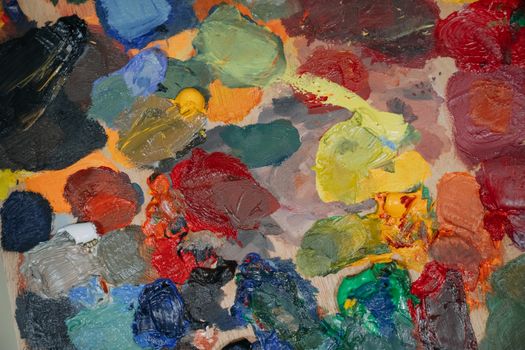
A colorful assortment of oil paints smeared on a canvas, showcasing various vibrant hues. Photo: Huy Nguyễn / Pexels
As you delve deeper into the world of oil painting, understanding advanced techniques and avoiding common pitfalls can significantly accelerate your progress and improve the quality of your work. Here are some essential tips and mistakes to watch out for: **Advanced Tips for Oil Painting:** * **Fat Over Lean:** This fundamental rule dictates that each subsequent layer of paint should contain more oil (or be 'fatter') than the layer beneath it. This prevents cracking as the painting dries, as fatter layers are more flexible. Begin with thin, solvent-thinned layers and gradually increase the oil content in later applications. This ensures proper drying and longevity. * **Glazing and Scumbling:** Glazing involves applying thin, transparent layers of paint mixed with a medium over dried opaque layers to modify color, add depth, and create luminosity. Scumbling is the opposite: applying a thin, opaque or semi-opaque layer of lighter paint over a darker area, allowing the underpainting to show through, creating atmospheric effects or softening edges. * **Impasto:** For rich texture, apply paint thickly, directly from the tube or with minimal medium. Use stiff brushes or a palette knife to create visible brushstrokes and build up a tactile surface. This technique adds an expressive dimension to your work. * **Underpainting:** Begin with a monochromatic or limited-color underpainting to establish values and composition before applying full color. This helps organize your painting and ensures a strong foundation. * **Varnishing:** Once completely dry (which can take 6-12 months), varnish your oil painting to protect it from dust, UV light, and environmental damage, and to unify the final sheen. Use a removable varnish like dammar or synthetic varnishes for archival quality. **Common Mistakes to Avoid:** * **Painting 'Lean Over Fat':** Violating the fat over lean rule is a primary cause of cracking in oil paintings. Always ensure your layers progressively get richer in oil content. * **Over-blending:** While oil paints offer excellent blending, over-blending can lead to muddy colors and a loss of vibrancy. Learn to stop when colors are harmoniously integrated but still retain their individual character. * **Impatience with Drying Times:** Oil paints take time to dry. Working on wet layers too soon can lead to smudging, muddying, and an unstable paint film. Patience is a virtue in oil painting. * **Poor Ventilation:** Solvents and some mediums release fumes that can be harmful. Always work in a well-ventilated area, or use low-odor and non-toxic alternatives when possible. * **Neglecting Brush Care:** Allowing paint to dry in brushes will ruin them. Clean your brushes thoroughly after each painting session to extend their lifespan and maintain their performance. * **Using Too Much Black:** While black is a useful color, relying too heavily on it for shadows can lead to flat, dull results. Experiment with mixing dark, rich colors using Ultramarine Blue, Burnt Umber, or Alizarin Crimson for more vibrant shadows. By embracing these tips and consciously avoiding these common pitfalls, your journey with oil painting will be more rewarding and your artwork more enduring.

Comparison

FeatureBest Option (Artist Grade)Alternative 1 (Student Grade)Alternative 2 (Water-Mixable Oils)
Pigment ConcentrationHigh, pure pigmentLower, with fillersHigh, but with emulsifiers
Drying TimeSlow (days to weeks)Slow (similar to artist grade)Faster (1-3 days)
Color VibrancyExcellent, rich, lightfastGood, can be dullerExcellent, similar to traditional oils
Brush CleaningRequires solventsRequires solventsCleans with water & soap
CostHigher investmentLower initial costMid-range
Blending CapabilityExceptionalGoodExcellent
Fumes/ToxicityRequires ventilation (solvents)Requires ventilation (solvents)Minimal to none (no solvents needed)

What Readers Say

"Upgrading my art supplies for oil painting made a world of difference. The quality of artist-grade paints and a sturdy easel completely transformed my creative process and the vibrancy of my art."

Sarah J. · Austin, TX

"This guide to oil painting essentials helped me choose the right brushes and mediums. My blending techniques have improved immensely, and my paintings now have a professional finish."

Mark D. · Portland, OR

"Initially, I was overwhelmed by the choices, but after reading this, I confidently selected my first set of art supplies for oil painting. My first portrait came out much better than I anticipated, thanks to the clear advice."

Elena R. · Miami, FL

"The information on solvents and ventilation was particularly useful. I wish there were a few more brand recommendations, but overall, it's an incredibly comprehensive resource for anyone starting with oil paints."

James L. · Denver, CO

"As a plein air painter, the section on portable easels and quick-drying mediums was a game-changer. It's fantastic to have such detailed insights into optimizing my art supplies for oil painting on location."

Chloe K. · New York, NY

Frequently Asked Questions

What are the absolute must-have art supplies for oil painting for a beginner?

For beginners, the absolute must-haves include a basic set of artist-grade oil paints (a primary palette plus white and an earth tone), a few synthetic and hog bristle brushes in various shapes (e.g., a round, a flat, a filbert), a palette, a suitable painting surface (primed canvas panels are great), and odorless mineral spirits for cleaning. These form the core of your oil painting toolkit.

Is oil painting too difficult or messy for someone just starting out?

Oil painting can seem daunting, but it's incredibly rewarding. While it requires more setup and cleanup than some other mediums, with proper organization, ventilation, and understanding of materials, it's not inherently messy. Many resources, like this guide, aim to simplify the process and make it accessible for beginners, focusing on technique over complexity.

How do I clean oil painting brushes effectively without damaging them?

To clean oil painting brushes, first wipe off excess paint with a rag. Then, rinse them in a container of odorless mineral spirits or turpentine to remove most of the paint. Follow this by washing them thoroughly with artist's brush soap and warm water, working the lather into the bristles until no paint remains. Reshape the bristles and let them air dry flat or brush-side up.

How much should I expect to spend on quality art supplies for oil painting?

The cost can vary widely. A basic, quality beginner set of art supplies for oil painting (paints, brushes, palette, canvas) might range from $100-$300. As you advance and choose higher-grade artist materials or specialized items, the investment can increase significantly. It's often recommended to start with good quality basics rather than cheap, low-grade materials, as they provide a better learning experience.

What's the main difference between traditional oil paints and water-mixable oil paints?

The main difference lies in their cleanup and thinning properties. Traditional oil paints require solvents like turpentine or mineral spirits for thinning and cleaning. Water-mixable oil paints, however, have an emulsifier added that allows them to be thinned and cleaned with water, making them a popular choice for artists sensitive to solvents or who prefer an easier cleanup process, while still retaining many characteristics of traditional oils.

Who benefits most from investing in high-quality art supplies for oil painting?

Artists who are serious about their craft, whether beginners or advanced, benefit most from investing in quality art supplies for oil painting. High-quality materials offer better pigment concentration, lightfastness, workability, and longevity, which translates into more vibrant, durable, and satisfying artwork. This investment supports artistic growth and the creation of lasting pieces.

Are there any safety precautions I should always take when using oil painting supplies?

Absolutely. Always work in a well-ventilated area to minimize inhalation of solvent fumes. Avoid eating or drinking while painting. Keep solvents and mediums away from open flames. Dispose of solvent-soaked rags properly (e.g., in an airtight metal container) to prevent spontaneous combustion. Wear gloves if you have sensitive skin, and always read product labels for specific safety instructions.

What are some emerging trends in art supplies for oil painting?

Emerging trends include a greater emphasis on non-toxic and eco-friendly alternatives, such as solvent-free mediums and water-mixable oil paints that reduce the need for harsh chemicals. There's also a growing interest in specialized historical pigments and mediums for artists seeking unique textures and optical effects, alongside continued innovation in synthetic brush technology for enhanced performance and durability.

Armed with this comprehensive guide to art supplies for oil painting, you're ready to embark on a fulfilling artistic journey. Invest in quality, experiment fearlessly, and let your creativity flow onto the canvas. Your masterpiece awaits!

Topics: art supplies for oil paintingoil painting materialsoil painting essentialsoil painting equipmentbest oil paints
Leo List

DK Escorts LU Escorts AT Escorts SE Escorts FI Escorts CH Escorts DE Escorts HR Escorts IE Escorts GR Escorts CZ Escorts NO Escorts BE Escorts FR Escorts SI Escorts IL Escorts NL Escorts PL Escorts HU Escorts ES Escorts IT Escorts PT Escorts SK Escorts RO Escorts ZA Escorts UY Escorts US Escorts UK Escorts NZ Escorts AU Escorts
Brampton weed
Adultwork EstrelaBet Vai de Bet R7 Bet Betão Galera Bet Rainbet Bet9ja Shop SportyBet BetKing Sisal Loto Foot Hollywoodbets YesPlay Odibets RushBet Jugabet BetWarrior BetCity MSport betPawa Fortebet