Unlocking Wellness: The Benefits of Art Therapy
benefits of art therapy

Unlocking Wellness: The Benefits of Art Therapy

Harness the transformative power of creative expression to foster mental clarity, emotional resilience, and personal growth.

Explore Your Creativity

Key Takeaways

  • ✓ Art therapy is a recognized mental health profession utilizing creative processes for healing and self-discovery.
  • ✓ It's effective for all ages and doesn't require artistic talent, focusing on the process, not the product.
  • ✓ Helps individuals cope with stress, trauma, anxiety, depression, and physical illness.
  • ✓ Promotes self-esteem, emotional regulation, and improved communication skills.

How It Works

1
Initial Assessment & Goal Setting

A certified art therapist meets with you to understand your needs, history, and therapeutic goals. This foundational step ensures a tailored approach to your healing journey.

2
Creative Exploration & Expression

You engage in various art-making activities using diverse materials like paint, clay, or collage. The focus is on freely expressing thoughts and feelings without judgment or pressure for artistic perfection.

3
Processing & Reflection

After creation, you and the therapist discuss the artwork, exploring its meaning, emotions evoked, and insights gained. This dialogue connects the creative process to your personal experiences and challenges.

4
Integration & Growth

The insights from art-making and discussion are then integrated into daily life. This leads to new coping mechanisms, enhanced self-awareness, and lasting positive changes in well-being.

Understanding the Core Benefits of Art Therapy for Mental Well-being

Female artist deeply engaged in painting at her creative studio workspace. Photo: Andrea Piacquadio / Pexels
Art therapy is a distinct mental health profession that enriches the lives of individuals, families, and communities through active art-making, creative process, applied psychological theory, and human experience within a psychotherapeutic relationship. Unlike a casual art class, art therapy is guided by a credentialed professional who facilitates the process, ensuring it's therapeutic and goal-oriented. The core benefits of art therapy for mental well-being are profound and multifaceted. At its heart, art therapy provides a non-verbal outlet for expression. Many individuals struggle to articulate complex emotions, traumatic experiences, or subconscious thoughts verbally. Art offers a safe, symbolic language to communicate what words cannot. This can be particularly beneficial for those with limited verbal abilities, individuals who have experienced trauma, or those grappling with overwhelming emotions like grief or anger. By externalizing these internal states onto a canvas or into a sculpture, clients gain distance from their distress, allowing for a more objective examination. This act of creation itself can be incredibly empowering, transforming passive suffering into active engagement with one's inner world. The process of making art can also be deeply meditative, fostering mindfulness and reducing stress. When immersed in creative activity, individuals often experience a flow state, where time seems to disappear, and focus is entirely on the present moment. This can significantly alleviate symptoms of anxiety and depression by diverting attention from rumination and future worries to a calming, constructive activity. Moreover, art therapy helps in developing coping mechanisms. Through the exploration of various materials and techniques, clients learn flexibility, problem-solving, and resilience. For instance, making a 'mistake' in art can be reframed as an opportunity for transformation, mirroring how challenges in life can be overcome. This fosters a sense of mastery and self-efficacy, crucial components of mental resilience. The therapeutic relationship with the art therapist also plays a vital role, providing a supportive and non-judgmental space for exploration and growth. This relationship, combined with the power of creative expression, makes art therapy a uniquely effective approach to enhancing overall mental well-being. It’s not about producing a masterpiece, but about the journey of creation and the insights gained along the way, leading to a deeper understanding of oneself and improved mental health outcomes. The ability to visualize and concretize abstract feelings can lead to breakthroughs, offering new perspectives and pathways to healing. For a broader understanding of how creative outlets can support well-being, explore the therapeutic benefits of engaging in various arts.

Enhancing Emotional Regulation and Self-Expression through Creative Practices

A vibrant abstract artwork with red, yellow, green, blue blocks creating a colorful canvas. Photo: Steve A Johnson / Pexels
One of the most significant benefits of art therapy lies in its capacity to enhance emotional regulation and foster authentic self-expression. Emotional regulation refers to the ability to manage and respond to an emotional experience in a healthy and appropriate manner. Many people struggle with this, leading to outbursts, withdrawal, or maladaptive coping strategies. Art therapy provides a safe laboratory for exploring, understanding, and ultimately regulating emotions. When a client expresses anger through vigorous brushstrokes, or sadness through muted colors, they are externalizing these feelings. This act of externalization creates a tangible representation of an internal state, which can then be observed, discussed, and processed with the therapist. Rather than being overwhelmed by an emotion, the client gains a sense of control over it. They learn to identify the emotion, understand its triggers, and develop healthier ways to respond. The artistic process itself can be cathartic. The physical act of creating, whether it’s tearing paper, molding clay, or splashing paint, can release pent-up energy and tension. This release is often followed by a sense of relief and clarity. Furthermore, art therapy encourages self-expression without the pressure of verbal articulation. For individuals who find it difficult to put their feelings into words—perhaps due to trauma, shyness, or developmental challenges—art offers an immediate and accessible means of communication. The artwork becomes a bridge between their inner world and the outer world, allowing them to share their experiences in a way that feels safe and authentic. This fosters a deeper connection with their inner self and builds confidence in expressing their true feelings. The non-judgmental environment of art therapy is crucial here; there are no 'right' or 'wrong' ways to create, only honest expressions. This freedom allows individuals to experiment with different aspects of their identity and emotions, leading to greater self-awareness and acceptance. As clients become more adept at expressing themselves through art, they often find that these skills transfer to their verbal communication and interpersonal relationships, leading to more fulfilling and authentic interactions. The visual narrative created in therapy can reveal patterns and insights that might remain hidden in traditional talk therapy, providing a holistic pathway to emotional growth and self-discovery. This deeper engagement with one's emotional landscape is a cornerstone of lasting personal development and resilience.

Boosting Cognitive Functions and Promoting Personal Growth
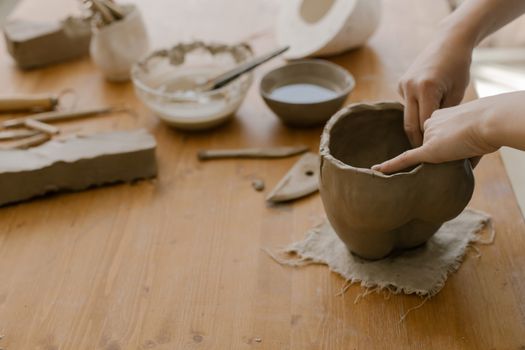
Close-up of hands molding clay into a pot, showcasing artistry and craftsmanship on a wooden tabletop. Photo: cottonbro studio / Pexels
Beyond emotional and mental well-being, art therapy also offers compelling benefits for cognitive functions and overall personal growth. Engaging in creative activities stimulates various parts of the brain, leading to improvements in areas such as problem-solving, decision-making, and motor skills. When a person is involved in art-making, they are constantly making choices: what colors to use, what texture to create, how to arrange elements, or what narrative to convey. These decisions, while seemingly simple, actively engage the prefrontal cortex, the part of the brain responsible for executive functions. This sustained engagement can lead to enhanced cognitive flexibility and improved critical thinking skills that extend beyond the therapy room into daily life. For individuals recovering from brain injury or facing cognitive decline, art therapy can be a powerful rehabilitative tool, helping to re-establish neural pathways and improve fine motor coordination. Moreover, the act of creating something from imagination or personal experience requires significant focus and concentration, which can strengthen attention spans and memory. The process of art-making, from conceptualization to completion, also fosters a sense of accomplishment and self-efficacy. Successfully navigating a creative challenge, even a small one, builds confidence and reinforces the belief in one's own capabilities. This newfound self-esteem can be particularly impactful for individuals struggling with self-doubt or low self-worth. Art therapy encourages self-discovery and personal growth by providing a unique lens through which to view one's life. Through symbolic representation in artwork, clients can explore their past, present, and future aspirations. They might uncover hidden talents, unresolved conflicts, or new perspectives on old problems. The artwork serves as a tangible record of their journey, allowing them to track their progress and celebrate their growth over time. For example, a series of artworks might illustrate a client's evolving understanding of a traumatic event or their journey towards a healthier self-image. This visual narrative can be incredibly powerful for self-reflection and personal insight. The holistic nature of art therapy, integrating mind, body, and spirit, makes it an excellent modality for fostering comprehensive personal development. By engaging in this creative journey, individuals not only heal but also discover new facets of themselves, leading to a richer, more meaningful life. Understanding various creative outlets can further enhance this journey; explore more about the impact of creative engagement on personal development.

Practical Tips for Integrating Art into Your Wellness Routine
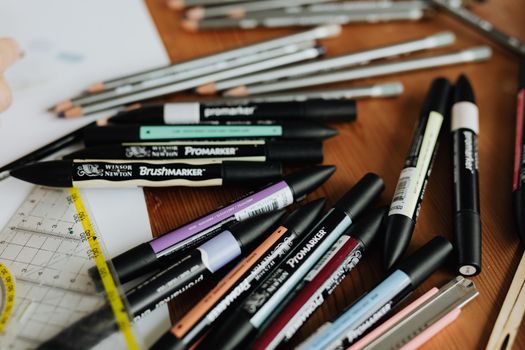
Scattered stationery of colourful drawing markers and pencils on working table of architect Photo: https://kaboompics.com/ / Pexels
Incorporating art into your wellness routine doesn't necessarily mean formal art therapy, though that remains a powerful option. Here are practical tips to bring the benefits of creative expression into your daily life: * **Start Small and Simple:** You don't need a studio or expensive supplies. A simple sketchbook and a pencil, or a box of crayons, are perfect. Try doodling during a phone call, sketching objects around your house, or coloring in an adult coloring book. The goal is engagement, not perfection. * **Focus on the Process, Not the Product:** Let go of the pressure to create something beautiful or gallery-worthy. The therapeutic value comes from the act of creation itself—the colors, textures, movements, and focus. Allow yourself to experiment freely without judgment. * **Explore Different Mediums:** Don't limit yourself to drawing or painting. Try clay, collage, photography, digital art, journaling with illustrations, or even knitting and crocheting. Different mediums can evoke different feelings and open up new avenues for expression. * **Create a Dedicated Space (Even a Small One):** Having a designated corner or a portable kit makes it easier to engage regularly. This signals to your brain that it's time for creative, mindful activity. * **Incorporate Art into Mindfulness:** Combine art with mindfulness exercises. For example, draw or paint what you see, feel, or hear in the present moment. This can deepen your connection to your senses and reduce stress. * **Join a Community or Workshop:** If you prefer a structured environment or enjoy social interaction, consider local art classes or workshops. Many community centers offer affordable options, and it can be a great way to meet like-minded individuals. * **Use Art for Emotional Release:** When you feel overwhelmed, frustrated, or sad, grab your art supplies. Don't try to make sense of it; just let your emotions flow onto the page or into the material. Afterward, you can reflect on what you've created, or simply enjoy the release. * **Keep an Art Journal:** This is a wonderful way to track your emotional landscape and creative journey. It doesn't have to be neat; it's a personal space for exploration and reflection. * **Don't Be Afraid to Seek Professional Help:** If you're struggling with significant mental health challenges, remember that formal art therapy with a certified therapist offers structured support and clinical expertise. These tips are for general wellness, but therapy provides a guided path to deeper healing. By integrating these simple practices, you can tap into the profound benefits of creative expression and enrich your overall well-being, fostering a more balanced and resilient self.

Comparison

FeatureArt Therapy (Professional)Self-Guided ArtTalk Therapy
GuidanceCertified Art TherapistNone/Self-directedLicensed Therapist
FocusProcess, expression, healingPersonal enjoyment, explorationVerbal processing, insight
MaterialsVaried, often providedSelf-sourcedNone (primarily verbal)
Non-verbal Expression
Clinical Goals
CostHigher (professional service)Lower (supplies only)Higher (professional service)

What Readers Say

"Art therapy helped me process grief in a way words never could. I started out feeling blocked, but my therapist guided me to express emotions through color and texture, which was incredibly liberating and healing."

Sarah J. · Austin, TX

"As someone who struggles with anxiety, the creative outlet in art therapy has been a game-changer. It provides a mindful escape and a tangible way to externalize my worries, making them feel less overwhelming."

Michael D. · Portland, OR

"Before art therapy, I felt stuck and unable to communicate my trauma. Through painting, I was able to create narratives that led to significant breakthroughs, and now I feel much more empowered and at peace."

Jessica L. · Chicago, IL

"I was skeptical at first, not considering myself artistic. But the therapist emphasized the process over the product, and I found a surprising sense of calm and self-discovery. It's not a quick fix, but it's genuinely transformative."

David R. · Miami, FL

"For my teenage daughter dealing with self-esteem issues, art therapy was perfect. She could express herself without judgment, and it visibly boosted her confidence and ability to articulate her feelings."

Emily K. · Denver, CO

Frequently Asked Questions

What exactly are the benefits of art therapy?

The benefits of art therapy are extensive, encompassing improved emotional regulation, reduced stress and anxiety, enhanced self-esteem, better communication skills, and cognitive stimulation. It provides a non-verbal outlet for expression, helps process trauma, and fosters self-discovery and personal growth in a safe, guided environment.

Do I need to be artistic to benefit from art therapy?

Absolutely not! Artistic talent is completely irrelevant in art therapy. The focus is on the process of creation and self-expression, not on producing a 'good' piece of art. The therapist guides you to use materials in a way that helps you explore your feelings and thoughts, regardless of your skill level.

How do I find a qualified art therapist?

To find a qualified art therapist, look for individuals credentialed by the American Art Therapy Association (AATA). You can search their directory for registered (ATR) or board-certified (ATR-BC) art therapists in your area. Many therapists also have online profiles detailing their specialties and approach.

Is art therapy covered by insurance, and what's the typical cost?

Coverage for art therapy varies. Some insurance plans cover it if provided by a licensed mental health professional, especially if they are also a registered art therapist. It's best to check with your insurance provider directly. Costs typically range from $75-$150 per session, similar to other forms of psychotherapy, though some therapists offer sliding scale fees.

How does art therapy compare to traditional talk therapy?

While both aim for healing, art therapy offers a unique non-verbal approach, using creative expression to access emotions and insights that might be difficult to articulate verbally. It complements talk therapy by engaging different parts of the brain and providing a tangible record of the therapeutic process. For some, especially those with trauma or communication difficulties, it can be more effective or a necessary first step.

Who can benefit most from art therapy?

Art therapy is beneficial for a wide range of individuals, including children, adolescents, adults, and seniors. It's particularly effective for those dealing with trauma, anxiety, depression, grief, chronic illness, developmental disorders, relationship issues, or anyone seeking greater self-awareness and emotional expression.

Are there any risks associated with art therapy?

When conducted by a qualified and ethical art therapist, art therapy is generally safe. The primary 'risk' could be the emergence of strong emotions or memories during the process, which is why a trained therapist is crucial to help you safely process and integrate these experiences. It's designed to be a supportive and contained environment.

What are the emerging trends in art therapy?

Emerging trends in art therapy include the integration of digital art platforms, increased use in telehealth settings, and a growing focus on neuroaesthetics – understanding how art impacts the brain. There's also a rising interest in community-based art therapy and trauma-informed approaches, reflecting a broader understanding of its versatile applications.

Embrace the journey of self-discovery and healing. The benefits of art therapy are profound, offering a unique path to mental clarity, emotional resilience, and personal growth. Whether through formal sessions or personal creative exploration, unlock your inner artist and transform your well-being today.

Topics: benefits of art therapyart as therapycreative healingemotional expression through artmental health art
Leo List

DK Escorts LU Escorts AT Escorts SE Escorts FI Escorts CH Escorts DE Escorts HR Escorts IE Escorts GR Escorts CZ Escorts NO Escorts BE Escorts FR Escorts SI Escorts IL Escorts NL Escorts PL Escorts HU Escorts ES Escorts IT Escorts PT Escorts SK Escorts RO Escorts ZA Escorts UY Escorts US Escorts UK Escorts NZ Escorts AU Escorts
Brampton weed
Adultwork EstrelaBet Vai de Bet R7 Bet Betão Galera Bet Rainbet Bet9ja Shop SportyBet BetKing Sisal Loto Foot Hollywoodbets YesPlay Odibets RushBet Jugabet BetWarrior BetCity MSport betPawa Fortebet