Unlocking Calm: The Benefits of Art Therapy for Anxiety
art therapy for anxiety

Unlocking Calm: The Benefits of Art Therapy for Anxiety

Harness the power of creativity to manage anxiety, find inner peace, and enhance emotional resilience.

Explore Your Creativity

Key Takeaways

  • ✓ Art therapy is a recognized mental health profession utilizing creative processes to improve physical, mental, and emotional well-being.
  • ✓ It offers a non-verbal outlet for emotions, particularly beneficial for those who struggle to articulate feelings verbally.
  • ✓ Engaging in art can reduce cortisol levels, the primary stress hormone, leading to physiological calm.
  • ✓ Art therapy is effective across all age groups and requires no prior artistic skill or experience.

How It Works

1
Connecting with a Qualified Art Therapist

The journey begins by finding a credentialed art therapist (ATR-BC) who can guide you. They create a safe, supportive environment tailored to your individual needs and therapeutic goals.

2
Engaging in Creative Expression

You'll be introduced to various art materials and techniques, such as drawing, painting, sculpting, or collage. The focus is on the process of creation and self-expression, not on producing a 'masterpiece'.

3
Processing the Artistic Experience

After creation, the therapist facilitates reflection on your artwork and the creative process. This discussion helps uncover insights, explore emotions, and identify patterns related to your anxiety.

4
Developing Coping Strategies

Through this guided process, you learn new ways to understand and manage anxiety symptoms. The insights gained in therapy can translate into practical coping mechanisms for daily life.

Understanding Anxiety and the Power of Non-Verbal Expression
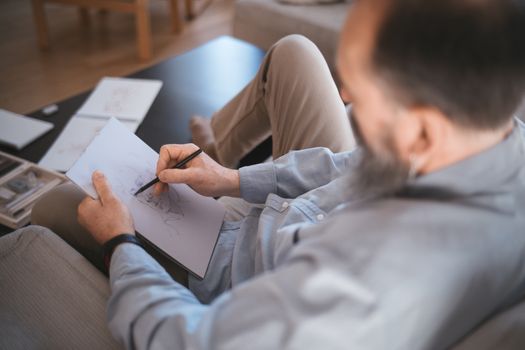
A relaxed man sketching on paper in a cozy room, showcasing creativity and leisure. Photo: Mikhail Nilov / Pexels
Anxiety is a complex emotional state characterized by feelings of worry, nervousness, or unease, typically about an event or something with an uncertain outcome. For many, these feelings can become overwhelming, impacting daily life, relationships, and overall well-being. Traditional talk therapy is incredibly valuable, but for some individuals, especially those with deeply ingrained anxieties or trauma, verbalizing their struggles can be challenging, if not impossible. This is where the profound benefits of art therapy for anxiety truly shine. Art therapy offers a unique pathway to self-expression that bypasses the limitations of language. When words fail, images, colors, and forms can speak volumes. The act of creating provides a safe, non-threatening space to externalize internal turmoil. Instead of trying to articulate nebulous fears or intense emotional sensations, one can draw a representation of their anxiety, sculpt its form, or paint its color. This externalization can be incredibly liberating, allowing individuals to gain perspective on their feelings rather than being consumed by them. It's a way to give shape and form to the formless, making the abstract concept of anxiety more tangible and therefore, more manageable. The therapist doesn't interpret the art for the client; instead, they guide the client in exploring the meaning and symbolism within their own creations, fostering a sense of agency and self-discovery. This non-verbal dialogue allows for a deeper exploration of subconscious thoughts and feelings that might be inaccessible through verbal communication alone. It's a powerful tool for those who feel 'stuck' or unable to articulate the root causes of their unease. The process of making art can be a form of active meditation, drawing focus away from anxious thoughts and into the present moment. This mindful engagement with materials helps to quiet the racing mind, grounding the individual in the sensory experience of creation. This initial step of providing an alternative communication channel is fundamental to how art therapy begins to dismantle the stronghold of anxiety, paving the way for deeper therapeutic work. It's about opening a new door to understanding oneself, a door that might have previously been locked by the inability to find the right words. Explore how mindfulness integrates with creative practices.

Reducing Stress Hormones and Promoting Relaxation Through Creativity
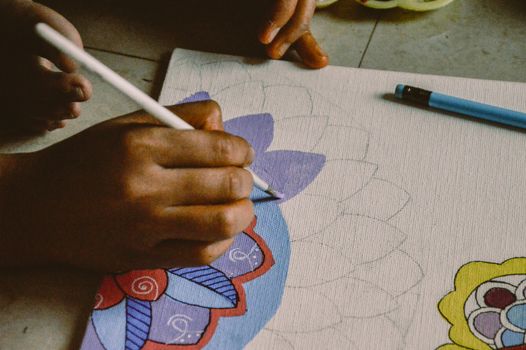
A person's hand skillfully painting a colorful floral design on canvas with watercolors. Photo: Ravi Kant / Pexels
One of the most immediate and scientifically supported benefits of art therapy for anxiety is its ability to directly impact our physiological stress responses. When we experience anxiety, our bodies enter a 'fight or flight' state, releasing stress hormones like cortisol and adrenaline. Chronic elevation of these hormones can have detrimental effects on physical and mental health. Engaging in creative activities, particularly under the guidance of a trained art therapist, has been shown to significantly reduce these stress markers. The very act of focusing on an artistic task – whether it’s blending colors, shaping clay, or arranging a collage – shifts our brain activity. It moves us from the analytical, often worry-driven left hemisphere to the more intuitive, emotional, and creative right hemisphere. This shift can interrupt the incessant loop of anxious thoughts, providing a much-needed mental break. Studies have indicated that even a short session of art-making can lead to a measurable decrease in cortisol levels. This isn't just a subjective feeling of calm; it's a verifiable biological change that contributes to overall well-being. Furthermore, the rhythmic and repetitive motions involved in many art forms, such as sketching, knitting, or even simply stroking a brush, can be inherently meditative. These actions can induce a state similar to that achieved through meditation or deep breathing exercises, promoting relaxation and reducing physiological arousal. The tactile experience of working with different materials – the coolness of clay, the smoothness of paper, the texture of paint – engages the senses, further grounding the individual in the present moment and diverting attention from anxious ruminations. This sensory engagement is a powerful antidote to the often-abstract and overwhelming nature of anxiety. It provides a concrete, tangible focus that helps to anchor the mind. The therapeutic environment also plays a crucial role. A skilled art therapist ensures that the space is non-judgmental and supportive, removing the pressure to produce 'good' art. This freedom from expectation allows individuals to fully immerse themselves in the creative process, fostering a sense of playfulness and exploration that is often stifled by anxiety. This combination of physiological reduction in stress hormones, mindful engagement, and a supportive environment makes art therapy a highly effective tool for promoting deep relaxation and alleviating the physical manifestations of anxiety. It's not just about feeling better, but about actively rewiring the body's response to stress over time.

Enhancing Self-Awareness and Developing Coping Mechanisms
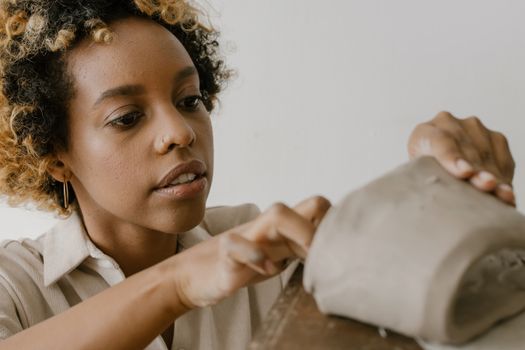
Close-up of a woman crafting clay sculpture indoors, showcasing creativity. Photo: cottonbro studio / Pexels
Beyond immediate stress reduction, one of the enduring benefits of art therapy for anxiety is its capacity to foster profound self-awareness and equip individuals with robust coping mechanisms. Anxiety often thrives in the unknown, in unexamined thoughts and emotions. Art therapy provides a unique lens through which individuals can observe their inner world, identify triggers, and understand the patterns of their anxiety in a way that purely verbal communication might not allow. When you create a piece of art that reflects your feelings, you're essentially externalizing your internal landscape. This allows you to step back and look at your anxiety from a different perspective, as something separate from yourself, rather than an intrinsic part of who you are. The therapist guides this reflection, asking open-ended questions about the colors used, the shapes created, the narrative depicted, or the feelings evoked during the process. This guided introspection helps clients to connect dots they might not have seen before, uncovering underlying fears, past experiences, or unresolved conflicts that contribute to their anxiety. For example, someone might consistently use dark, constricted shapes when feeling anxious, leading to a discussion about feelings of being trapped or overwhelmed. Or, they might discover a recurring symbol in their art that represents a source of strength they hadn't consciously acknowledged. This process of discovery is empowering, transforming vague feelings of unease into concrete insights. With this newfound understanding, individuals can begin to develop more effective coping strategies. The art-making process itself can become a coping mechanism; returning to a creative activity can be a deliberate choice to self-soothe and re-regulate emotions when anxiety flares up. Furthermore, the insights gained in therapy can inform behavioral changes outside the session. For instance, if someone realizes their anxiety stems from a need for control, they might work on acceptance and letting go, using artistic metaphors from their sessions as a reminder. The sense of accomplishment from completing a creative project, no matter how small, also boosts self-esteem and self-efficacy, which are often eroded by chronic anxiety. It demonstrates an ability to navigate challenges and bring something into being, counteracting feelings of helplessness. This holistic approach – combining self-expression, guided reflection, and practical application – makes art therapy an invaluable tool for building resilience and equipping individuals with lasting strategies to manage their anxiety effectively. It’s about building an internal toolkit of understanding and action that extends far beyond the therapy room. Discover how creative outlets enhance overall well-being.

Practical Tips for Integrating Art into Your Anxiety Management Routine
Top view of colorful art supplies on a wooden table, inspiring creativity. Photo: Vlada Karpovich / Pexels
While formal art therapy with a credentialed professional offers the deepest benefits, there are many ways you can integrate art into your daily routine to help manage anxiety on your own. These practices can complement professional therapy or serve as valuable self-care tools. Remember, the goal is not artistic perfection, but the therapeutic process itself. **Tips for Getting Started:** * **Start Simple:** You don't need fancy supplies. A pencil and paper, some old magazines for collage, or even play-doh can be enough. The accessibility of materials is key to making it a regular practice. * **Focus on the Process, Not the Product:** Let go of the need to create something 'good.' The value lies in the act of creation, the sensory experience, and the emotional release, not in the final appearance of your artwork. * **Dedicate a 'Creative Space' (Even Small):** Having a designated spot, even just a corner of a desk, signals to your brain that it's time to engage in this calming activity. This routine can help establish a positive habit. * **Explore Different Mediums:** Don't limit yourself. Try drawing, painting, sculpting, collaging, coloring books, photography, or even digital art. Different mediums offer different tactile and expressive experiences. * **Use Prompts (Optional):** If you feel stuck, use simple prompts like 'Draw how anxiety feels,' 'Paint your calm place,' or 'Create an image of what you want to let go of.' * **Journal Alongside Your Art:** After creating, spend a few minutes writing about the experience. What emotions came up? What did you discover? This can deepen self-awareness. * **Mindful Creation:** Pay attention to the sensations – the feel of the brush, the smell of the paint, the sound of the pencil on paper. This brings you into the present moment. * **Set a Timer:** Even 10-15 minutes of focused creative time can be beneficial. Regular, short sessions are often more sustainable than infrequent, long ones. **Common Mistakes to Avoid:** * **Judging Your Art Harshly:** This is the biggest barrier. Silence your inner critic. There's no right or wrong in therapeutic art. * **Comparing Your Work to Others:** Your art is for you. Its purpose is personal expression and healing, not public display or competition. * **Expecting Instant Miracles:** Like any therapeutic approach, the benefits accumulate over time. Be patient and consistent. * **Over-intellectualizing the Process:** While reflection is important, don't get bogged down in trying to analyze every stroke. Sometimes, simply allowing yourself to create is enough. * **Using Art as a Distraction Only:** While art can distract from anxious thoughts, the therapeutic benefit comes from engaging with emotions through the art, not just avoiding them. Use it as a tool for exploration, not just escape. By embracing these tips and avoiding common pitfalls, you can harness the power of art to cultivate calm and build resilience against anxiety in your daily life.

Comparison

FeatureArt TherapyTraditional Talk TherapyMedication
Expression MethodNon-verbal, creativeVerbal, cognitiveBiochemical
FocusProcess, self-discovery through artVerbal processing, cognitive restructuringSymptom management
Skill RequirementNone for clientVerbal articulationNone
Side EffectsMinimal, cathartic releaseEmotional discomfortPotential physical/mental side effects
Holistic Approach✓ (often combined)✗ (often combined)
Self-Coping ToolsDevelops creative outletsDevelops cognitive strategiesManages symptoms directly
CostModerateModerateVaries (insurance, co-pays)

What Readers Say

"Art therapy has been a game-changer for my anxiety. I used to struggle to put my overwhelming feelings into words, but with painting, I can express them in colors and shapes. It's incredibly freeing and truly helps me process my emotions without judgment."

Sarah J. · Austin, TX

"I was skeptical at first, but the benefits of art therapy for anxiety are undeniable. My therapist helped me see patterns in my drawings that reflected my stress, and now I use sketching as a way to calm down when I feel overwhelmed. It's a powerful tool."

Michael D. · Portland, OR

"After a few months of art therapy, my panic attacks have significantly decreased. The creative process gives me a tangible way to externalize my fears, and I've learned to breathe through the anxiety while focusing on my artwork. It's made a huge difference in my daily life."

Emily R. · Chicago, IL

"While I still rely on other coping strategies, art therapy has added a valuable dimension to my anxiety management. It's not a magic bullet, but the non-verbal expression and guided reflection have given me new insights into my triggers and emotional responses."

David L. · Denver, CO

"As a busy professional, finding time for self-care is tough. Art therapy sessions are my sanctuary. It's amazing how much stress I can release by just molding clay or doing a collage. It's a unique and effective way to unwind and address my underlying anxiety."

Jessica W. · New York, NY

Frequently Asked Questions

What specifically are the benefits of art therapy for anxiety?

Art therapy offers numerous benefits for anxiety, including reducing stress hormones, providing a non-verbal outlet for difficult emotions, fostering self-awareness, developing effective coping mechanisms, and promoting relaxation. It helps individuals externalize and process their internal struggles in a safe, creative environment, leading to greater emotional regulation and resilience.

Do I need to be artistic or have any art skills to benefit from art therapy?

Absolutely not. One of the core principles of art therapy is that the focus is on the process of creation and self-expression, not on artistic skill or producing a 'masterpiece.' The therapist guides you through engaging with various materials in a non-judgmental way, making it accessible and beneficial for everyone, regardless of their artistic background.

How do I find a qualified art therapist?

To find a qualified art therapist, look for professionals credentialed as Registered Art Therapists (ATR) or Board-Certified Art Therapists (ATR-BC) by the Art Therapy Credentials Board (ATCB). You can search their directory online, or ask for referrals from mental health professionals, hospitals, or community centers in your area. Ensure they specialize in anxiety treatment.

Is art therapy expensive, and is it covered by insurance?

The cost of art therapy can vary depending on location, therapist's experience, and session length. Some insurance plans do cover art therapy, especially if it's provided by a licensed mental health professional who is also an art therapist. It's always best to check directly with your insurance provider and the therapist's office regarding coverage and fees.

How does art therapy compare to traditional talk therapy for anxiety?

Art therapy complements traditional talk therapy by offering a non-verbal avenue for expression. While talk therapy relies on verbal articulation and cognitive processing, art therapy allows emotions and subconscious thoughts to emerge through images and symbols, often bypassing verbal barriers. For some, especially those who struggle to verbalize feelings, it can be more accessible or provide deeper insights than talk therapy alone. Often, the most effective approach combines both.

Who should consider using art therapy for anxiety?

Art therapy is beneficial for anyone experiencing anxiety, from mild stress to more severe anxiety disorders. It's particularly helpful for individuals who find it difficult to talk about their feelings, those who prefer hands-on activities, children and adolescents, and individuals looking for alternative or complementary approaches to mental health care. No prior art experience is necessary.

Are there any risks associated with art therapy for anxiety?

When conducted by a qualified and ethical art therapist, art therapy carries minimal risks. The primary 'risk' might be experiencing emotional discomfort as suppressed feelings emerge, but a trained therapist is equipped to help you process these emotions in a safe and supportive environment. It is a gentle, client-centered approach designed for healing.

What are the future trends for the benefits of art therapy for anxiety?

The future of art therapy for anxiety is promising, with increasing integration into digital platforms and telehealth, making it more accessible. Research continues to validate its neurobiological impacts and effectiveness across diverse populations. Expect to see more evidence-based protocols, specialized applications for specific anxiety disorders, and greater recognition within mainstream healthcare systems.

Ready to explore a unique path to peace? Discover the profound benefits of art therapy for anxiety and embark on a creative journey towards greater calm and emotional resilience. Your canvas awaits your story.

Topics: art therapy for anxietyanxiety relief artcreative expression therapymental health artstress reduction art
Leo List
Brampton weed
Adultwork EstrelaBet Vai de Bet R7 Bet Betão Galera Bet Rainbet Bet9ja Shop SportyBet BetKing Sisal Loto Foot Hollywoodbets YesPlay Odibets RushBet Jugabet BetWarrior BetCity MSport betPawa Fortebet