
Art History Timeline: Renaissance to Modern Masterpieces
Journey through centuries of artistic innovation, from the rebirth of classical ideals to the revolutionary expressions of the modern era.
Begin Your Artistic JourneyKey Takeaways
- ✓ The Renaissance marked a rebirth of classical ideals and humanism in art.
- ✓ The Baroque period emphasized drama, emotion, and grandeur.
- ✓ Modern art movements, starting in the late 19th century, challenged traditional conventions.
- ✓ Each art period reflects the societal, philosophical, and technological changes of its time.
How It Works
Begin by grasping the core principles and historical context of the early Renaissance. This sets the stage for understanding subsequent artistic evolutions.
Follow the progression from Renaissance to Baroque, Rococo, Neoclassicism, Romanticism, and through the various modern movements. Observe how each period built upon or reacted to its predecessors.
Learn about the pivotal figures and their signature styles within each era. Understanding their contributions helps solidify comprehension of the period's characteristics.
Recognize how political, religious, and social shifts influenced artistic expression. This contextual understanding provides deeper insight into the meaning and purpose of the art.
The Dawn of a New Era: Renaissance Art and Humanism
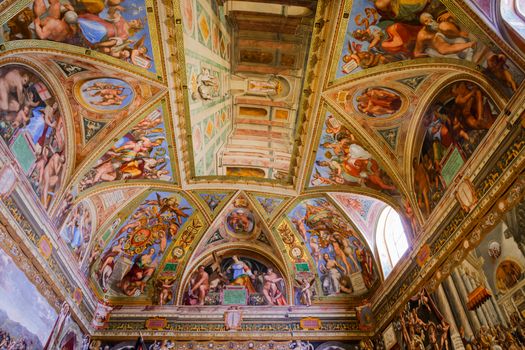 Photo: Magda Ehlers / Pexels
From Grandeur to Revolution: Baroque, Rococo, and Neoclassicism
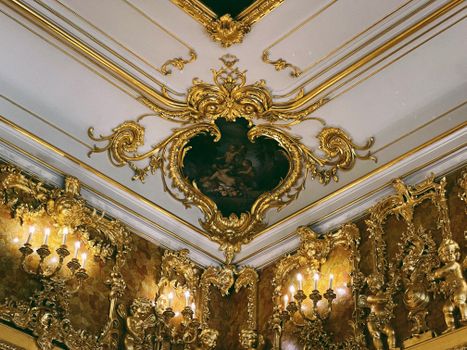 Photo: Denis Nazvantsev / Pexels
Romanticism to Impressionism: The Seeds of Modernity
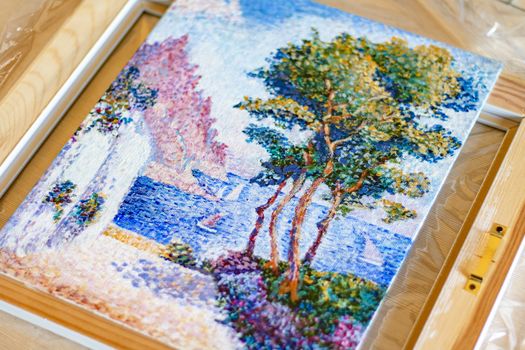 Photo: Mateusz Kitka / Pexels
Modern Art Unveiled: From Post-Impressionism to Contemporary Expressions
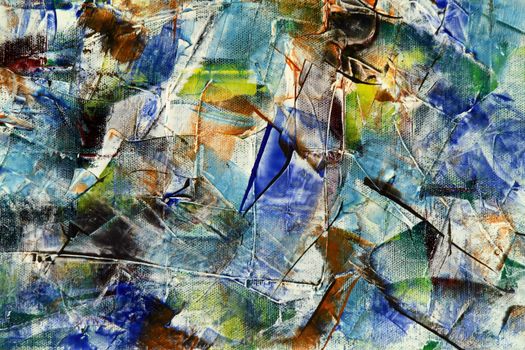 Photo: Steve A Johnson / Pexels
Comparison
| Art Period | Key Characteristic | Notable Artist | Dominant Theme |
|---|---|---|---|
| Renaissance | Rebirth of classical ideals, perspective, humanism | Leonardo da Vinci | Humanity, classical mythology, religious narratives |
| Baroque | Drama, emotion, grandeur, movement | Caravaggio | Religious fervor, aristocratic power, dramatic storytelling |
| Rococo | Lightness, ornamentation, curvilinear forms | Jean-Honoré Fragonard | Love, leisure, aristocratic frivolity |
| Neoclassicism | Order, reason, classical antiquity, morality | Jacques-Louis David | Civic virtue, heroism, historical allegory |
| Romanticism | Emotion, individualism, sublime nature | J.M.W. Turner | Nature's power, exoticism, emotional intensity |
| Impressionism | Capturing fleeting light and atmosphere | Claude Monet | Everyday life, landscapes, urban scenes |
| Post-Impressionism | Emotional expression, structural integrity, symbolism | Vincent van Gogh | Subjective experience, symbolic meaning |
| Modern Art (Early 20th C.) | Abstraction, experimentation, challenging tradition | Pablo Picasso | Inner emotion, societal critique, formal innovation |
What Readers Say
"This art history timeline from Renaissance to Modern is incredibly comprehensive and easy to follow. I finally understand how each period flows into the next, making complex concepts digestible."
Sarah J. · New York, NY"As an art enthusiast, I found this article to be a fantastic resource. The detailed explanations of key artists and movements truly enriched my understanding of the art history timeline renaissance to modern."
David M. · Los Angeles, CA"I was struggling with my art history class, but this timeline clarified so many concepts. My grades have significantly improved since I started using it as a study guide for the art history timeline renaissance to modern."
Emily R. · Chicago, IL"While extremely thorough, I would have loved a few more visual examples directly embedded. Still, the depth of information provided on the art history timeline renaissance to modern is outstanding."
Mark T. · Houston, TX"I used this guide to plan a trip to Europe visiting various museums, and it was invaluable. It helped me appreciate the context of each piece on the art history timeline renaissance to modern in a much deeper way."
Jessica L. · Miami, FLFrequently Asked Questions
What defines the shift from Renaissance to Modern art?
The shift is defined by a gradual movement from objective representation and classical ideals (Renaissance) towards subjective expression, formal experimentation, and a questioning of traditional artistic conventions (Modern art). Key transitions include the emotional intensity of Baroque, the rationalism of Neoclassicism, and the subjective focus of Romanticism and Impressionism, all leading to the radical departures of the 20th century.
Is it difficult to understand the different art periods?
While each period has its unique characteristics, understanding them becomes much easier when you follow a chronological timeline and recognize how each movement either built upon or reacted against its predecessors. Focusing on key artists, their innovations, and the societal context helps demystify the changes.
How can I effectively study the art history timeline renaissance to modern?
To study effectively, break down the timeline into manageable periods. For each period, identify 2-3 key artists, their defining works, and the core stylistic and philosophical characteristics. Utilize visual resources, museum visits (virtual or in-person), and compare and contrast different movements to deepen your understanding.
What is the most influential period in the art history timeline from Renaissance to Modern?
Defining the 'most' influential is subjective, as each period made significant contributions. However, the Renaissance laid foundational principles for Western art, and the late 19th/early 20th century (Post-Impressionism to early Modernism) fundamentally broke with tradition, opening the door for nearly all subsequent artistic experimentation.
How does this timeline compare to other art history resources?
This timeline offers a comprehensive yet accessible overview, focusing on the interconnectedness of movements and their broader societal context. Unlike some academic texts, it prioritizes clarity and a reader-first approach, making complex artistic evolutions understandable for a wide audience without sacrificing depth.
Who should explore the art history timeline renaissance to modern?
Anyone with an interest in art, history, culture, or human creativity will benefit from exploring this timeline. It's ideal for students, art enthusiasts, travelers planning museum visits, or anyone curious about how artistic expression has evolved and reflected human experience over centuries.
Are there common misconceptions about the art history timeline renaissance to modern?
A common misconception is that art movements abruptly begin and end; in reality, they often overlap and influence each other in complex ways. Another is viewing modern art as 'less skilled' than earlier periods; instead, it represents a shift in artistic goals, prioritizing concept and expression over traditional representation.
What future trends might emerge from the current art landscape?
Future trends are likely to continue exploring the intersection of art and technology, with AI-generated art, virtual and augmented reality experiences, and bio-art becoming more prevalent. There's also a growing emphasis on art as a tool for social commentary and environmental activism, reflecting global challenges and diverse cultural perspectives.
Embark on your journey through art history today. Discover the masterpieces and movements that shaped our world, from the humanistic dawn of the Renaissance to the revolutionary expressions of the modern era. Let this art history timeline from Renaissance to Modern be your guide to a deeper appreciation of human creativity.